How Can I Help GFA World as a Disaster Relief Volunteer?
GFA World’s Compassion Services help bring the love of God to those who are suffering and in need. Missionaries and disaster response volunteer teams help survivors. They provide food, clothing, water, shelter, medical care and more to those who need it most. According to FEMA’s Voluntary Organizations Active in Disaster framework, coordinating with established groups is key to avoiding duplication and maximizing impact. Some people volunteer through donations. Others choose to leave the comfort of their homes and help in other ways.[1]
When disasters strike, people often need calm, coordinated help—one step at a time. If you’re following urgent events like hurricane Helene, it can help to pause and choose a safe next step.[3] One way to do that is to serve through a trusted team that supports local authorities and neighbors during disaster response—without adding confusion.[4] The Managing Spontaneous Volunteers guide explains that unaffiliated volunteers can actually impede rescue efforts if they arrive untrained and uncoordinated.
National VOAD’s Long-Term Recovery Guide notes that effective volunteer coordination requires pre-identified teams, clear roles, and partnerships with community agencies. Volunteers who affiliate with organizations before deployment can be matched to appropriate service areas based on verified skills and training.
GFA’s Compassion Services in Africa and Asia include:
These ministries can also help you match your willingness to help with practical, organized roles. Whether you have specialized skills or simply want to assist with basic needs, AmeriCorps’ Disaster Services framework shows how volunteers support everything from shelter operations to call centers and volunteer reception.
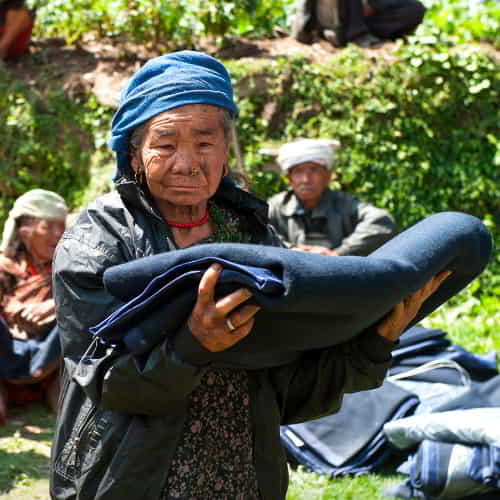
They also teach literacy classes and tutor children. In crowded neighborhoods, small needs can stack up fast. Volunteers often work alongside local teams who understand community dynamics and can help identify families with the greatest need.
Ask what items are most useful right now, and how they will be delivered. If you partner with a voluntary organization already serving the community, ask about packing, sorting, or safe distribution support. RHIhub’s community engagement guidance emphasizes that volunteer managers should screen credentials, log volunteer information, and ensure safety protocols are in place before deployment.
Medical Ministry – GFA World medical teams visit villages and churches. They help with medical needs for those who can’t afford treatment or don’t have access to care. Medical disaster volunteer roles require specific credentials and advance verification to ensure patient safety during emergency response.
If you have medical training, ask what credentials are required and what support is provided on-site. Many states use systems like Disaster Healthcare Volunteer programs to pre-register and credential licensed healthcare providers, including nurses, physicians, pharmacists, and allied professionals. These advance registration systems allow volunteers’ licenses, credentials, and hospital privileges to be verified before emergencies occur, facilitating rapid deployment when disasters strike. If you don’t, ask about behind-the-scenes roles that still protect patient privacy and follow local direction. Non-medical volunteers can support logistics, administrative tasks, or call center operations that keep medical teams focused on direct care.
Click here, to read more about this article.
Click here, to read more blogs in Gospel for Asia.Org


Comments
Post a Comment