Disaster Relief Organizations
Disaster relief organizations are essential for a quick response in areas impacted by earthquakes, fires, floods and other emergency situations. When these events occur, how do you pick a trusted organization to support? Here are some questions you can ask. After each one, you’ll see the answer from GFA World, a trusted disaster relief organization in South Asia and parts of Africa.[1] According to Department of Homeland Security data, natural disasters cause significant fatalities and economic loss each year in the United States.
During a crisis, people often need help right away. A steady, compassionate emergency response can bring practical relief and a sense of care. If you give from the United States, you may also want to make sure the organization is tax exempt and can provide the records you need.[5]
It can also help to look for groups that practice disaster preparedness before a crisis begins.[6] This can matter after events as different as seasonal flooding or a major storm like hurricane Helene that draws wide attention and urgent needs.[7] Early planning allows teams to respond faster when disaster strikes.
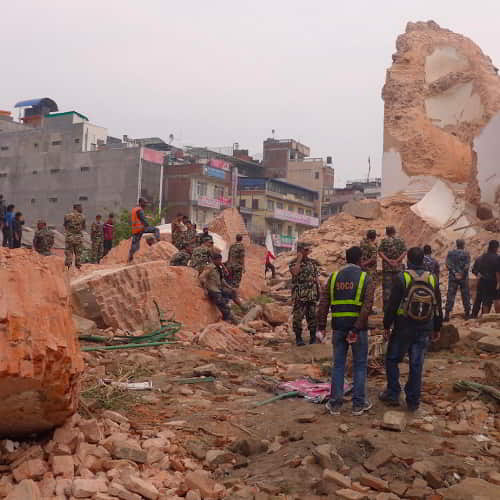
Disaster Relief Organizations help in various ways. They generally have a specialty. Some bring food and supplies to disaster areas. Others sift the ashes of burned buildings. Other organizations seek to meet the medical and emotional needs of survivors. When considering which relief organizations to support, we encourage you to find out what types of help are offered to those affected. When you compare options, you can ask what disaster services look like in the first days, and what support continues after that.
FEMA’s National Disaster Recovery Framework recognizes that recovery efforts often begin while emergency response is still underway.
You can also ask if help includes food, water and other basics that families may not be able to find right away. If local markets are functioning, you can ask whether financial assistance is offered in a careful, respectful way so families can choose what they need most. Stress and grief can linger. You can ask what kind of listening care is available, and whether people can be connected with mental health support when needed.
The Substance Abuse and Mental Health Services Administration provides disaster behavioral health resources to support emotional recovery after traumatic events.
GFA’s answer: GFA World serves victims of many different types of disasters, such as earthquakes, cyclones, tsunamis and floods. When a natural disaster wipes out homes, crops and livelihoods in an instant, families who are already living in poverty have very little hope for the future. The help GFA offers takes many forms—food, clothing, clean water, shelter, counseling and prayer. This humanitarian relief addresses both immediate survival needs and longer-term stability. GFA missionaries also provide long-term solutions as communities rebuild. Relief often starts with urgent needs, but it can also include patient follow-through as families repair homes, replace tools, and regain steady routines.
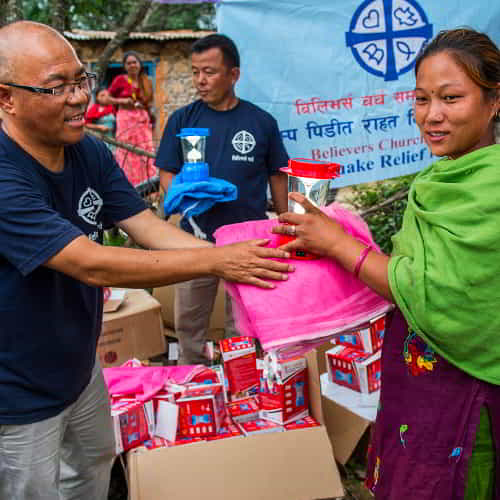
Some organizations can respond immediately. Others take days or months to gear up. Often, both types are needed to provide adequate response to those who need help. For example, an organization may show up immediately but then need to leave to help in another emergency.[2] Another organization can take their place and provide ongoing help.
As you evaluate a group, you can ask how they plan to hand off work, share updates, and avoid gaps in care. You can also ask how they support recovery operations after the first wave of emergency help. Clear coordination between teams prevents confusion and ensures consistent support for affected communities. If you’re thinking beyond the first week, you can ask how the organization approaches disaster recovery once families begin rebuilding.
GFA’s answer: GFA pastors and missionaries serve people in need where they live and work, so they are often available to respond very quickly. They can meet the people’s immediate needs. Their presence in local communities means they understand cultural context and can maintain support through each phase of recovery.
Click here, to read more about this article.
Click here, to read more blogs in Gospel for Asia.Org


Comments
Post a Comment