Child Poverty and Pandemic Effects
In March of 2021, Forbes reported that the poverty rate in the U.S. had been on a slow decline, but the pandemic stalled that progress. Writer William Haseltine said among the hardest hit were children from low-income households, where school closures and the high cost of childcare had forced parents to give up their jobs to care for their kids.
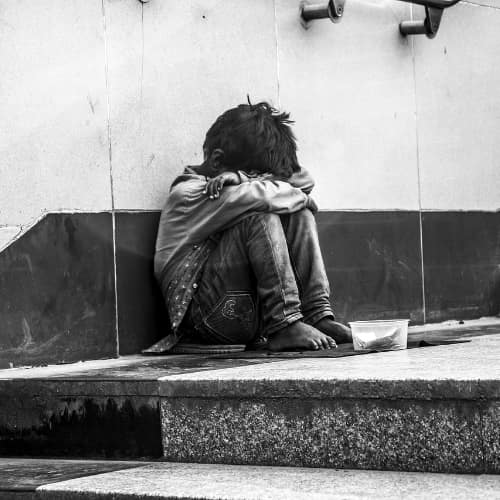
“Children from low-income families face challenges when it comes to homeschooling as they may lack access to a computer, or even stable housing,” Haseltine wrote. “In the U.S. approximately 2.5 percent of students do not live in a stable residence. One in ten students in New York City was homeless or had serious housing instability during the previous school year. While children from higher-income families may be able to continue their education without interruption, children from lower-income families are more likely to struggle with homework and online courses due to their insecure housing circumstances.”[1]
In addition, forecasts from November of 2020 said the worldwide socio-economic crisis caused by the pandemic was expected to push 142 million more children into poor households in developed countries by the end of the year. Worldwide, absent mitigation policies, the number of children living in poor families could reach 725 million.
Click here, to read more about this article.
Click here, to read more blogs in Gospel for Asia.Net


Comments
Post a Comment