Breaking the Silence: Confronting the Plight of Widows Worldwide
Despite economic hardships and discrimination, governments and aid groups appear to be focusing more assistance on this group of women who are often left to fend for themselves.

“In the face of divorce or widowhood, women often struggle with economic hardship,” said Asli Demirguc-Kunt, director of research at the World Bank. “Unfortunately, designing effective policies to prevent these women from falling into poverty is hamstrung by sparse data and research.”[2] Adds the United Nations: “For many women around the world, the devastating loss of a partner is magnified by a long-term fight for their basic rights and dignity….Widows have historically been left unseen, unsupported, and unmeasured in our societies.”[3]
Yet, while many of the world’s 258 million (some estimates go as high as 285 million) widows face continuing inequality, there are also signs that their plight has drawn the attention of various governments and rights groups. This has created economic boosts and awareness that didn’t exist in the past. One example is South Asia, the subject of a mid-2019 New York Times report about the significant improvement in the quality of life for many of the nation’s castaway widows.
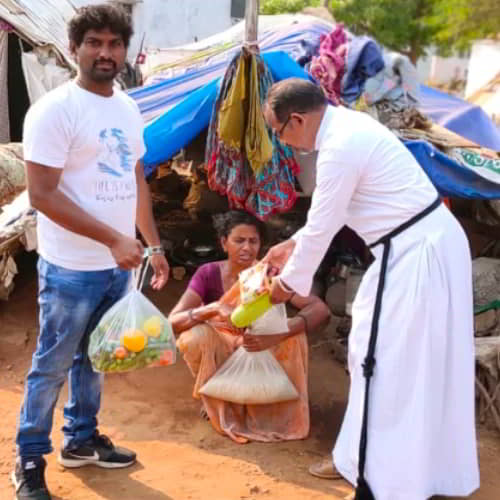
The cities where these facilities are located has witnessed positive changes as a result of this assistance. Widows who once relied on singing in temples or begging for survival have started to challenge societal norms and embrace their self-worth. They have traded their traditional white garments for colorful attire, reflecting a newfound sense of dignity and empowerment.[4]
“They used to think only in white, nothing else,” said Vinita Verma. “When they were praying, they were crying. When they were cooking, they were crying. Now, they have value.”[5]
Click here, to read more about this article.
Click here, to read more blogs in Gospel for Asia.Net


Comments
Post a Comment