Adult Literacy: Research Starters
Adult literacy is a worldwide problem that impacts millions of people, particularly in developing countries, with women often disproportionately affected. It’s a vast, complex subject, but if you’re looking to delve into adult literacy research, here are some quick facts to help you get started:
- UNESCO recently reported, “14 percent of adults worldwide lack basic reading and writing skills” and “women continue to have lower proficiency in literacy compared to men.”1 That’s 750 million adults.2
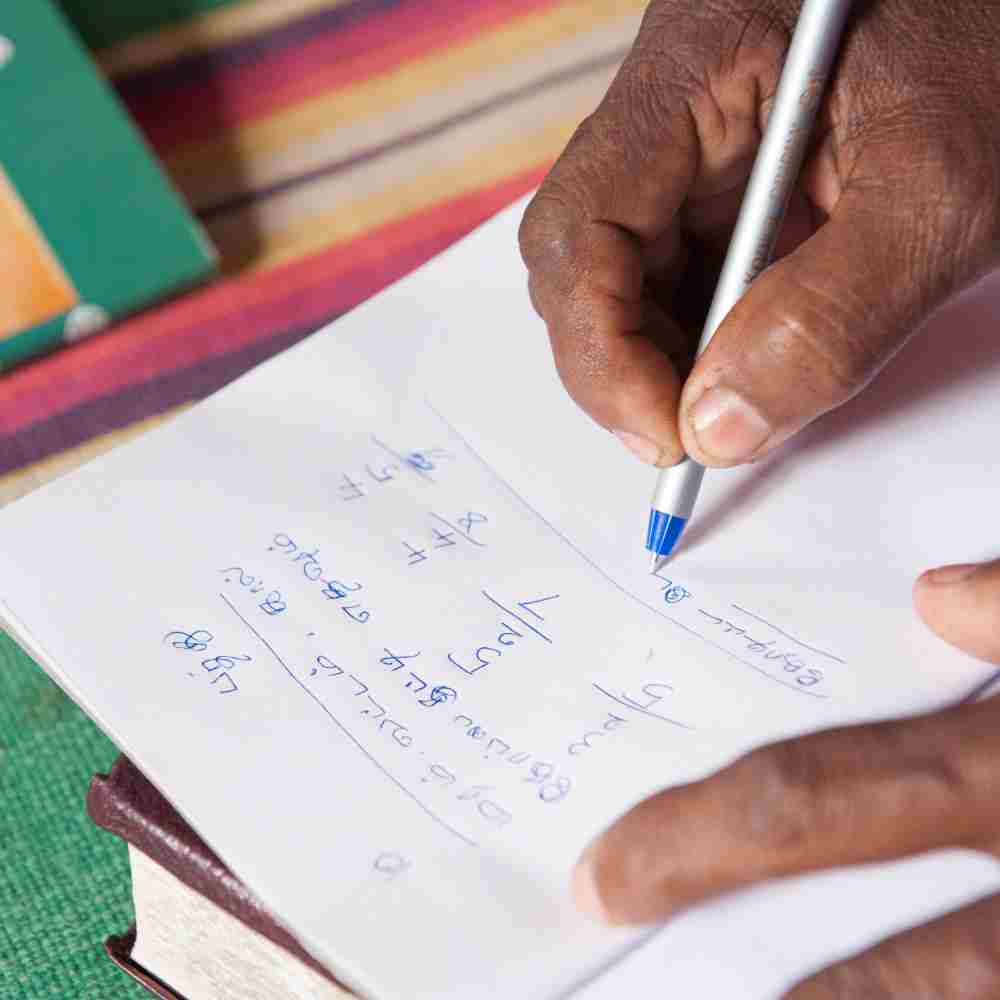
- According to The Borgen Project, “In developing countries, approximately one in every two adults can’t read or write, with the situation only worse in the rural areas.”3
- “Literacy is critical for promoting and communicating sustainable development and improving the capacity of people to address environment and development issues,” says the United Nations. “It facilitates the achievement of environmental and ethical awareness, values, and skills consistent with sustainable development and effective public participation in decision-making.”4
- According to the World Literacy Foundation, “People completely or functional illiterate face the prospect of poor health outcomes, welfare dependency, gender inequality, and a lack of social cohesion.”5

- Illiteracy impacts employment opportunities. “Low literacy contributes to inequalities in income, occupational status and reduced access to labor markets,” says the Canadian Literacy and Learning Network. “Adults with strong literacy skills enjoy many positive benefits: they maintain salaries of up to 33 percent higher than those of low literacy and are twice as likely to be employed. They are also far more likely to obtain more secure and attractive positions of employment.”6
- According to Children International, “A woman’s earning potential goes up 20 percent for every year of schooling she completes.”7 This is even more than the 10 percent increase estimated for the general population.8
- Low levels of literacy mean a person is more likely to “experience adverse health outcomes, have poor health literacy, and practice poor health behaviors.”9

- Children of literate mothers are 50 percent more likely to live past the age of 5 and twice as likely to attend school.10
- Children who can’t read by the age of 10 usually won’t master reading later in life.11
- According to World Bank, “53 percent of children in low- and middle-income countries cannot read and understand a simple story by the end of primary school. In poor countries, the level is as high as 80 percent.”12
- Nearly half of the world’s illiterate population live in South Asia while 27 percent live in sub-Saharan Africa. The lowest literacy rates are among women in these same regions.13

- “Illiteracy exacerbates cycles of poverty, ill-health and deprivation. It weakens communities and undermines democratic processes through marginalization and exclusion. These and other impacts can combine to destabilize societies,” said then UN Secretary-General Ban Ki-moon. “Literacy unlocks the capacity of individuals to imagine and create a more fulfilling future. It opens the way to greater justice, equality and progress. Literacy can help societies heal, advance political processes and contribute to the common good.”14
Click here, to read more about this article.
Click here, to read more blogs in Gospel for Asia.Net


Comments
Post a Comment