Adult Literacy Classes Impact Women in Asia
Illiteracy, which impacts 781 million adults worldwide, represents a tremendous detriment in a person’s life.1 In addition to limiting economic opportunities, it affects everyday activities such as shopping and navigating streets. Women in developing regions are disproportionately impacted by illiteracy, with the lowest literacy rates being among women in South Asia and sub-Saharan Africa.2 Adult literacy classes can be life-changing for these women.
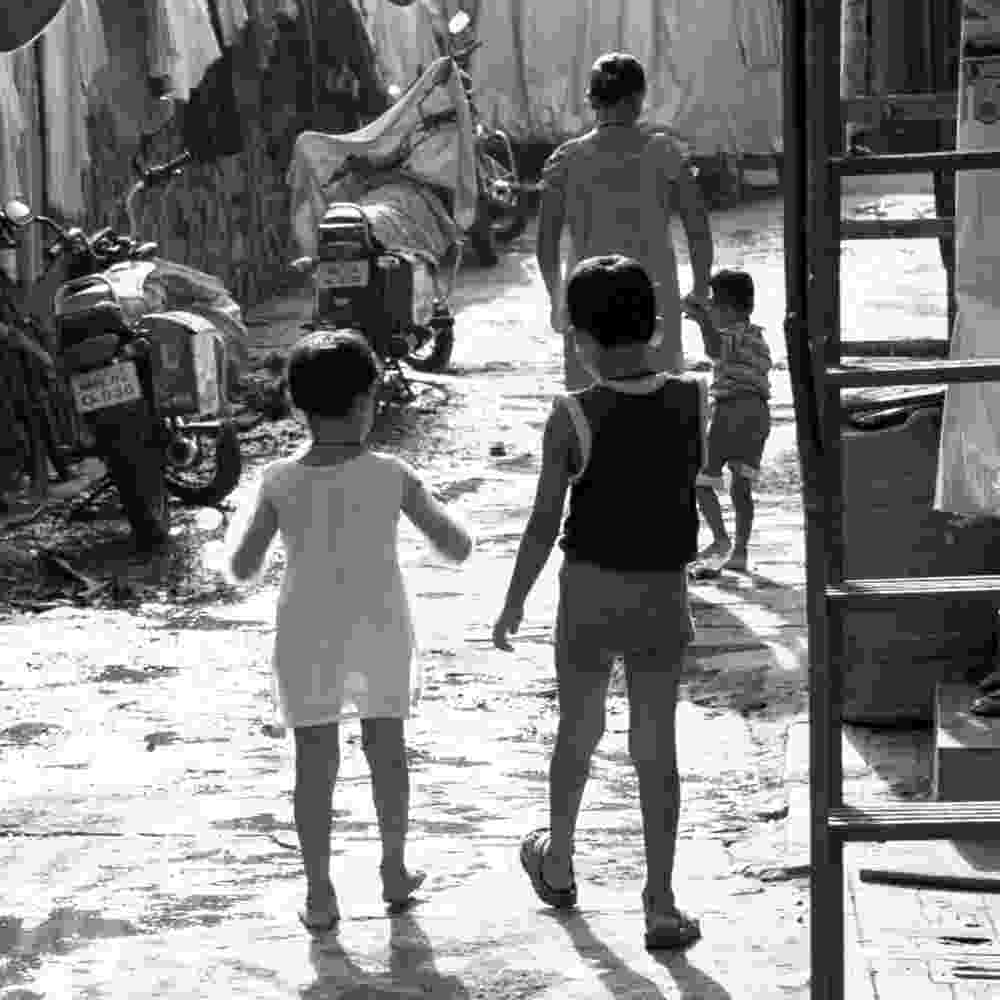
This reality stems partially from poverty-related gender gaps. If impoverished families can’t afford school costs for all their children, they are more likely to send the boys.4 As a result of this gender inequality, which is more prevalent in low-income countries, 15 million girls—compared to 10 million boys—won’t have the chance to attend school.5 Many of these girls will become illiterate women.

They can’t read warning labels or other important health information. There’s growing research that shows adult literacy decreases infant mortality rates.6 A 2002 study in Bolivia, for example, indicated literate mothers were more likely to seek medical help when needed and more likely to adopt preventive health measures.7 Children with literate mothers are twice as likely to survive past the age of 5.8 Uneducated mothers are also unable to assist children in their studies, which contributes to the perpetuation of generational poverty as their children are more likely to drop out of school.
Click here, to read more about this article.
Click here, to read more blogs in Gospel for Asia.Net
Comments
Post a Comment