Women Missionaries: A Gift to the Hurting
The United Nations lists women and girls as one of the most vulnerable people groups in the world.[1] That’s half of the planet’s population. Deep social and cultural prejudices and practices hurt this people group. This is why women missionaries are so greatly needed in the world today.
“These are often among the most vulnerable members of society, and are at greater risk of economic hardship, exclusion and violence; discrimination against them is often compounded,” the UN reports.[2]
Across the globe, 380 million women and girls live in extreme poverty, with an income of $1.90 per day or less.[3] In addition, one in three women in 2021 lived with moderate to severe food insecurity.[4] Of all human trafficking victims, 72 percent are women and girls.[5]
These staggering and heartbreaking statistics show the hurts and fears that millions of women face every single day. Women missionaries can lovingly go into these places as friendly faces of God. They can understand the fragile situations many women and girls live with.
The total number of active missionaries is difficult to know. People move often, and “missionary” can be defined in different ways. The International Bulletin of Mission Research estimates that 430,000 missionaries went out into the world from every Christian tradition in 2021.[6] Historically, there have been more women in missions than men, including both married couples and single women.
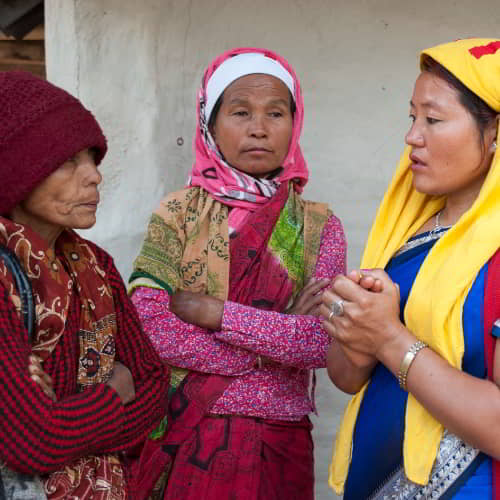
Christian missionaries in South Asia have benefited from the legacy of Christian women like Mother Teresa and Amy Carmichael. These two women responded to God’s call and chose lifelong missionary service in the countries where they served. Another example is Gladys Aylward, a British Christian woman who followed God’s leading to China, where she became known for caring for children and other vulnerable people during years of hardship and conflict.[8] Their Christian missionary work encourages future generations to serve the Lord. It also inspires them to keep sharing the Good News among those who are hurting.
Widows in South Asia can find themselves in some of the worst conditions possible. They work as long as they can, but age, hard labor and injury can weaken them quickly. Then they must rely on family members, who may or may not be willing or able to help.
Click here, to read more about this article.
Click here, to read more blogs in Gospel for Asia.Com


Comments
Post a Comment