Where Should My Disaster Relief Donations Go?
Your disaster relief donations should go to the organizations that can help the most, and help fast. When a crisis hits, giving through a trusted group can turn your gift into immediate financial assistance. It can help families facing sudden loss. According to FEMA, financial donations to recognized, vetted organizations are the fastest, most flexible and most effective way to give.[1] This is often better than giving in-kind donations. That can include bottled water or food.
These organizations know exactly what and how much is needed. They often have the means to purchase items at a discounted rate. If possible, they purchase items from a local business. This helps support the local economy as it recovers from disaster. That local approach can strengthen relief and recovery while keeping care close to everyday needs. If you feel unsure, look for clear updates. Accountable handling of gifts. The ability to respond where access is hardest.
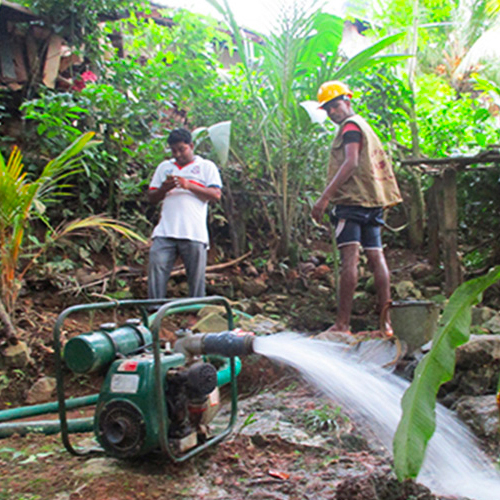
It’s important to check whether a particular organization has a presence or network that allows them to serve those hardest hit by the disaster. When you give, you can support disaster response that is both ready to act and steady enough to remain present as needs change.
In 2017, for example, a coastal nation where GFA World serves was hit hard by flooding. Many areas were devastated. GFA World was already on the ground in the area and was able to provide critical assistance to affected communities. GFA missionaries distributed dry rations and clothes. When it was safe, GFA Compassion Services helped repair damaged well pumps. Clean water began flowing again.[2] Along with urgent supplies, this kind of care can support long term recovery as families rebuild routines and regain stable access to basics.
GFA already had many programs and churches in that area. This helped them know right away what was needed and where it was most needed. GFA Founder K.P. Yohannan (Metropolitan Yohan) also joined relief efforts. These went on for several months. In seasons like this, ongoing presence matters. People often need long-term care as they move from emergency help to steady rebuilding.
Click here, to read more about this article.
Click here, to read more blogs in Gospel for Asia.Net


Comments
Post a Comment