What Is Different about a Faith-Based Disaster Relief Organization?
A faith-based disaster relief organization differs from others. It serves because of its strong beliefs. Those beliefs can shape how teams treat people in crisis. The reason for its service comes from faith. For example, if their faith teaches compassion or charity, they show it through action. When disaster strikes, the workers of that organization bring physical relief. They also bring the hope of their faith—whether it is a major storm like Hurricane Katrina or a local emergency close to home.
Many faith-based charities step in with compassionate help during disaster response when natural disasters strike. People may think of local congregations, Catholic charities, or other community groups when they hear “faith-based.” If you are comparing organizations, look for steady, respectful care and clear communication about what help is available. They often aim to serve with dignity, patience, and care for the whole person, not just the immediate problem.
That can include practical help and emotional support. It can also include spiritual care that is offered with respect and received by personal choice. Help should always be given freely, with no pressure.
Here are a few signs of care for the whole person:
- Practical support that fits what families say they need
- Patience and respect in stressful moments
- Clear information about what help is available and what to expect
- Follow-through after the first urgent days pass
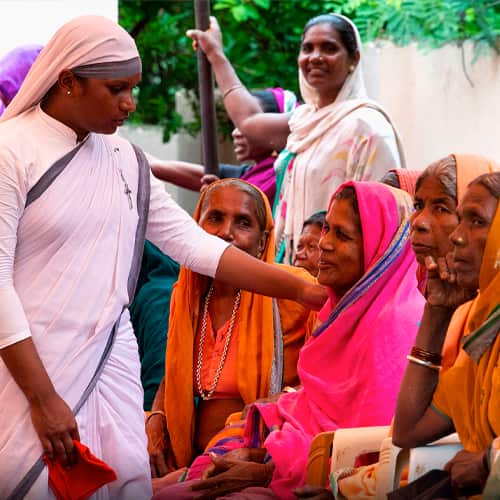
Then they focus on essentials like safe drinking water, shelter, basic items, medical care, and emotional support. Careful needs checking helps teams avoid assumptions and respond in a way that fits the community’s real needs. In simple terms, needs checking means teams ask clear questions, confirm what they hear, and respond with care.[4]
Millions of people follow various faith traditions, and their spiritual needs are also shaken when disasters come. It’s part of our humanity. So those needs should be met in times of crisis, along with physical needs such as food, water and shelter. After a disaster, many people carry fear, grief, and unanswered questions. Respectful care makes room for that reality.
The World Health Organization notes that emergencies can disrupt daily life and impact mental health.[5] So steady emotional support can matter alongside practical help. This support helps most when it is respectful, calm, and centered on the person’s needs. Sometimes support is small but steady—showing up, listening well, and helping someone take the next step.[5]
“Spirituality is an essential part of humanity,” reports National Voluntary Organizations Active in Disaster in a report about tending to spiritual needs during and after disasters.[2] Healthy spiritual care listens first, honors personal choice, and avoids pressure in a hard moment. It also stays sensitive to each person’s background and comfort level, especially when emotions are raw. When spiritual care is offered, it should be gentle, respectful, and easy to decline.
Click here, to read more about this article.
Click here, to read more blogs in Gospel for Asia.Net


Comments
Post a Comment