What Are Some Faith Based Disaster Relief Organizations?
There are many faith based disaster relief organizations, including recognizable names like the Salvation Army and The Southern Baptist Convention. Both organizations have large numbers of members and volunteers. GFA World is another organization that provides disaster relief. It stands out among other organizations because its work is accomplished through national missionaries who live among the people they serve.
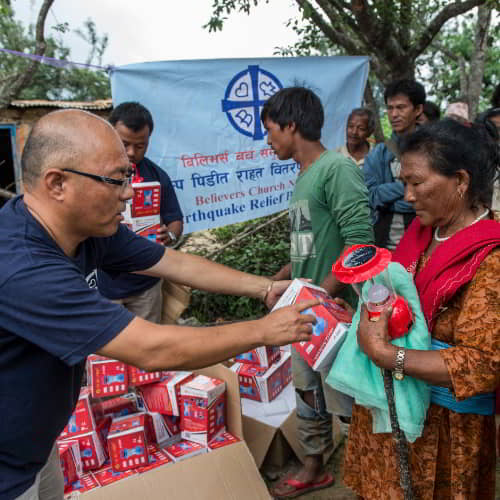
It can also help to choose a group that will work with local leaders. Look for a team that will listen well and respond with care and humility. In many places, that means partnering with local communities and local authorities. That way, support fits the real needs on the ground. Some teams also encourage disaster preparedness before emergencies happen. This can reduce stress for families later. In a crisis, clear communication and steady follow-through can strengthen recovery efforts over time.
GFA national missionaries are from the areas where they are serving. So they know the culture, people, and needs better than an outsider would.[1] This gives them a clear advantage. It helps make GFA’s ministry effective. The national missionaries are trained in poverty alleviation and disaster relief. They use solutions like education, vocational training, and income-generating gifts. These steps can help break the cycle of poverty.
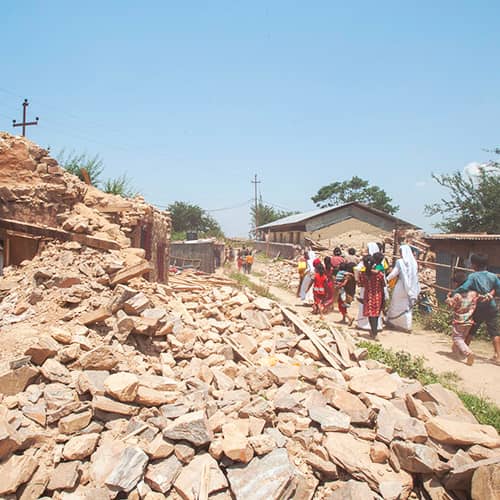
These actions can give survivors hope for their futures.[2] Without help, a natural disaster can feel very disheartening.
GFA missionaries worked hard to help earthquake survivors in Nepal after a 7.8 magnitude quake hit in May of 2015. A 7.3 aftershock followed. It was the worst disaster in the country’s history.[3] Samita lost her father when their house collapsed on him in the earthquake. Their mother had left them ten years earlier. So the earthquake left Samita and her two siblings as orphans. They lived with their uncles.
Click here, to read more about this article.
Click here, to read more blogs in Gospel for Asia.Com


Comments
Post a Comment