What Are Some Best Practices for Missionary Involvement in Africa?
Missionary involvement in Africa has a long history. Over time, believers have learned important lessons about how to best approach spreading the Gospel in this region. Dr. David Livingstone was among the first Westerners to bring a love-centered approach to missions in Africa.[1] Later servants such as Mary Slessor showed the same kind of courage and compassion as they served in Nigeria.[3] As experience grew, early missionary societies also saw that patient friendship and practical care could open doors for the message of Christ. They learned that meeting both spiritual and physical needs often helped people understand God’s love in everyday life.[4]
The people in Zambia that Dr. Livingstone served saw that he wanted to help them in very practical ways. For example, he looked for new commercial river routes as a solution to the slave trade. The people of Zambia truly felt that Livingstone cared about them, and this significantly aided his ability to share the Gospel of Jesus Christ with them.[2] This ability to serve both a person’s physical and spiritual needs has become a cornerstone of effective missions around the world. People have real needs, and these are often much more apparent to them than their spiritual needs. A hungry belly will drown out a hungry soul.
Today, many people in Africa belong to a vibrant African church that is growing and learning how best to serve its neighbors.[5] In countries from Nigeria to South Africa, local believers often understand the language, history and daily pressures of their communities better than anyone else. When they share Christ’s love in simple ways—visiting the sick, caring for children or starting small Bible studies—the message stays closely tied to everyday life. In places where neighbors have yet to hear the hope of the Gospel, these gentle, long-term relationships can open doors without pressure or shame.[6]
GFA World seeks to walk beside this work, encouraging missionary efforts that strengthen existing congregations instead of replacing them. Some of the most effective ministry happens as new leaders are trained through Bible schools and mentoring programs rooted in local churches.[7] These workers can then teach God’s Word clearly while serving with humility. As GFA World serves in more African communities, the goal is patient, long-term ministry that reflects Christ’s character. Local believers can visit homes, pray with families and help connect them with resources like clean water or education. These small acts of love can reshape a community’s outlook with lasting hope.
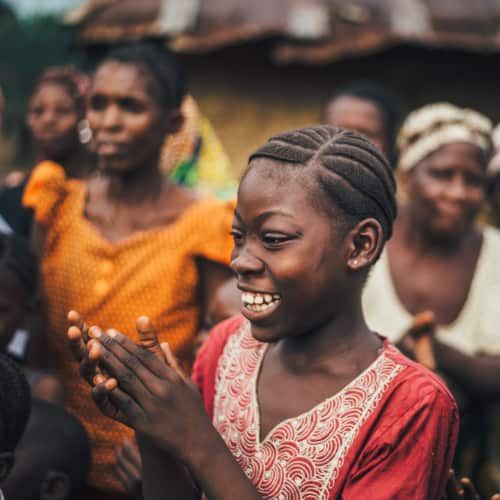
When local men and women are called by God to serve in missions, GFA World will train, send and support these missionaries. National missionaries serve in the country or region they are from, so language and culture are not a barrier to relationships and sharing the Gospel. It’s also vastly more cost-effective to send missionaries within their country of origin.
GFA World has just begun its work in Africa and needs faithful givers like you. Your support will help grow this network of churches and faithful servants. They can then connect the resources of GFA World, such as Jesus Wells and the child sponsorship program, with those who are in deep need of physical help. This combination of love, care and hope is a powerful conduit for sharing the Good News of Jesus Christ.
Click here, to read more about this article.
Click here, to read more blogs in Gospel for Asia.Net


Comments
Post a Comment