Is a Disaster Relief Volunteer Really Needed?
The disaster relief volunteer is essential. It helps local authorities, relief groups, and nonprofits do more. One article in the International Journal of Disaster Risk Reduction notes, “Despite highly specialised and capable emergency management systems, ordinary citizens are usually first on the scene … and remain long after official services have ceased.” Citizens often play vital roles in helping those affected respond and recover. They can provide real assistance to official agencies.[1]
In many emergencies, the feeling of urgency is real—there are disaster relief volunteers needed right away. But the most helpful action is often the most prepared action. When volunteers connect with a trusted organization, the community can receive help in an orderly way. This also protects survivors, local responders, and volunteers themselves. If you feel pulled to act, support what the community is already doing. Be ready to serve for the long haul, not only in the first wave.[2][4]
That example is a reminder that help is not only “on the ground.” Many people can serve through careful, behind-the-scenes support. This can include information review, communications help, and other skills that reduce confusion during crisis moments. This kind of service works best when it is connected to an organized effort. That way, survivors are not overwhelmed by mixed messages or duplicated work.[1][2]
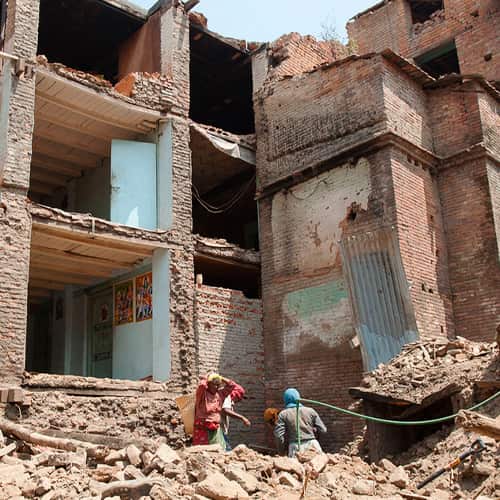
On the ground, volunteers’ hands, feet and strength help serve those in immediate need. Typically, no one single agency or organization has all the resources. It is hard to meet the needs of those recently affected by a flood, tornado or earthquake.
Because of that, organized volunteer coordination matters. It helps prevent well-meant effort from becoming extra strain on the community. A widely used guideline is simple: don’t self-deploy. Instead, affiliate with an established organization. Wait until it is safe to travel. Then accept a clear assignment with appropriate safety gear. Patience is part of real service, because recovery can continue far beyond the first news cycle.[2][4]
- Register with a trusted relief organization before a crisis.
- Take basic training offered by established groups.
- Be ready for support roles (logistics, distribution, admin support).
- Follow local instructions and stay within your assignment.
- Use proper safety gear for the task you are given.
- Plan for steady service; needs can last months or longer.
- Protect dignity: ask, listen, and respect personal boundaries.
- Share accurate information only from verified sources.
Before the volunteer can be effective, there needs to be a framework in place. This framework helps make the most of all those extra hands and feet. Non-profit organizations like GFA World have networks of programs and churches in many vulnerable places in the world, ready to respond as soon as disaster strikes.
If you want to volunteer for disaster relief, start with readiness and accountability. Look for a role that matches your skills and availability. Many organizations provide training so you can serve safely and consistently. A trained disaster response volunteer is not just willing—they are prepared to follow direction, work as a team, and serve in ways that support the community’s real priorities.[2][3]
Click here, to read more about this article.
Click here, to read more blogs in Gospel for Asia.Net


Comments
Post a Comment