How Can I Help with Hygiene Poverty?
Even though hygiene poverty is on the decline, open defecation is still a global issue, as well as millions lacking other hygienic practices. From 2000 to 2017, the number of people practicing open defecation went from 21 percent to 9 percent of the population.[1] While that is marked improvement, there are still 673 million people who must defecate in the open. Nine out of ten of those people who practice open defecation live in either Central and Southern Asia or sub-Saharan Africa.[2] On top of that, the United Nations report, “2.2 billion people around the world do not have safely-managed drinking water, while 4.2 billion go without safe sanitation services and three billion lack basic handwashing facilities.”[3]

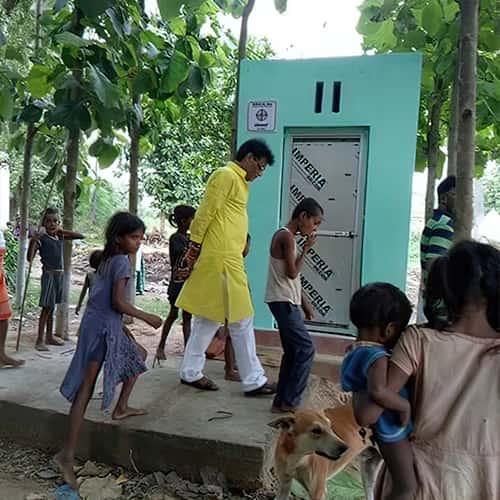
The Sisters of Compassion (specially trained GFA women missionaries) and other GFA missionaries also raise awareness and train people in proper hygiene practices. One of the benefits of our child sponsorship program is to work with the children, teaching them handwashing and dental care.[6] Education is important because access to toilets does not necessarily indicate usage; changing someone’s habits, their mindsets and deeply entrenched beliefs must take place as well.[7]
Click here, to read more about this article.
Click here, to read more blogs in Gospel for Asia.Com


Comments
Post a Comment