GFA World: One of the Major Disaster Relief Organizations
Natural disasters happen all over the world, and no one knows when or where one might happen next. This is why disaster relief organizations are so important. They help victims of earthquakes, floods and cyclones. Their crops and houses have been wiped out. This can leave families already living in poverty with little hope for the future.
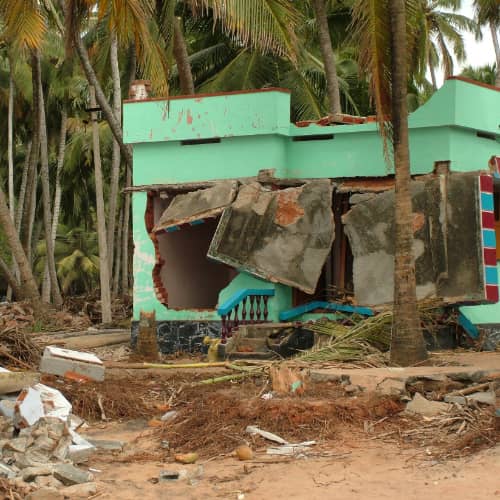
In the first hours and days, emergency response often centers on essentials people can use immediately, such as:[1]
- food and safe drinking water
- shelter and essential household items
- medical care, sanitation, and protection
- emotional care that supports people under stress
The death toll from natural disasters varies greatly from year to year. On average, 45,000 people lose their lives each year. This number has been steadily decreasing in recent years. Historically, droughts and floods were the most deadly disasters, but this is no longer the case. Earthquakes have become the primary cause of disaster-related fatalities.[2] Sadly, these events affect those in poverty most heavily. Many of the high death tolls are centered in low-to-middle-income countries.
These countries don’t have the infrastructure to protect or respond to such events. Even though the death rates are falling, the high impact on poor families shows that disaster relief organizations, like GFA World, are still vital.e infrastructure to protect or respond to such events. Even though the death rates are falling, the high impact on poor families proves that disaster relief organizations, like GFA World, are incredibly vital.
When it comes to disaster relief, volunteer work is one of the main ways for helping people after a crisis. Severe storms and flooding can isolate neighborhoods, damage farms, and disrupt daily life. A response to hurricane events—including hurricane Helene—can involve rescue support, safe shelter, and basic supplies while families regroup.[3] In those stressful early days, practical help can include food, clean water, and basic medical care. It can also include financial assistance for immediate needs and care that protects mental health.[4]
GFA is focused on more than just temporary solutions. In disaster relief, donations also allow us to offer long-term assistance. We work to rebuild homes. We help families send their children back to school. We provide income-generating gifts to help families get their lives back on track after surviving a disaster. Disaster recovery takes patience. It often includes long term recovery work—steady recovery operations that help families restore routines over time.[5]
Click here, to read more about this article.
Click here, to read more blogs in Gospel for Asia.Com


Comments
Post a Comment