When Adult Literacy Lags
In developing countries, there is a dearth of adult literacy. Approximately 773 million youth and adults cannot read or write.1 This lack negatively impacts individual’s economic opportunities and many other facets of their life, including parents’ ability to properly care for their children. It also prevents adults from fully participating in their communities and societies.2

If people don’t gain these basic skills as children, they’re much less likely to do so as adults. Adult illiteracy can cause shame and embarrassment. It also limits job opportunities. According to one study, “illiteracy is a multifaceted social equity and justice problem that results in less job opportunities and low income, often poverty.”5
Everyday tasks can become confusing. For Preshti in Asia, visiting her mother was an arduous puzzle. Illiterate, she couldn’t read the signs, which made traveling to another city challenging.6 She also struggled to pay bills, check her earnings and count the change she received at the market, which left her vulnerable to being cheated.
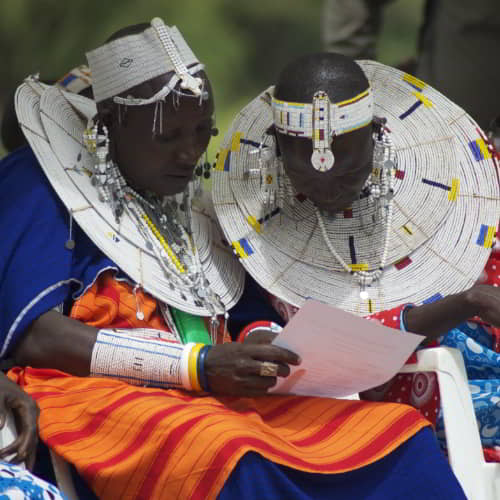
This power of knowledge also benefits adults’ health. According to the World Literacy Foundation – a literacy nonprofit – people who are illiterate, or have low levels of literacy, “are more likely to experience adverse health outcomes, have poor health literacy, and practice poor health behaviors.”10 Literacy, in contrast, has a “multiplier effect” that empowers people, says UNESCO; it “enables them to participate fully in society” and improve their lives, including their health.11 With the ability to read, people can better educate themselves and understand health concerns. In areas where disease can contribute to cycles of poverty, such as in developing countries, this knowledge is particularly important.12
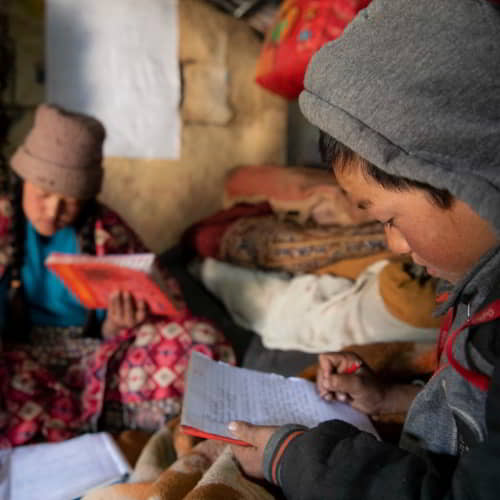
In the U.S., someone may be able to find a literacy program at the local public library, but people in developing countries typically don’t have access to such resources. Fortunately, organizations like GFA World and other literacy organizations, are helping these families overcome illiteracy. In addition to education assistance through its child sponsorship program, which offers children a solid foundation, GFA workers conduct literacy programs so adults can gain skills like reading, writing and basic math. These skills empower individuals to improve their lives and provide a better future for their children.
Click here, to read more about this article.
Click here, to read more blogs in Gospel for Asia.Org


Comments
Post a Comment