Poverty and Literacy Statistics
Poverty often has a negative impact on one’s ability to become literate and obtain education in general. Consider the following poverty and literacy statistics:
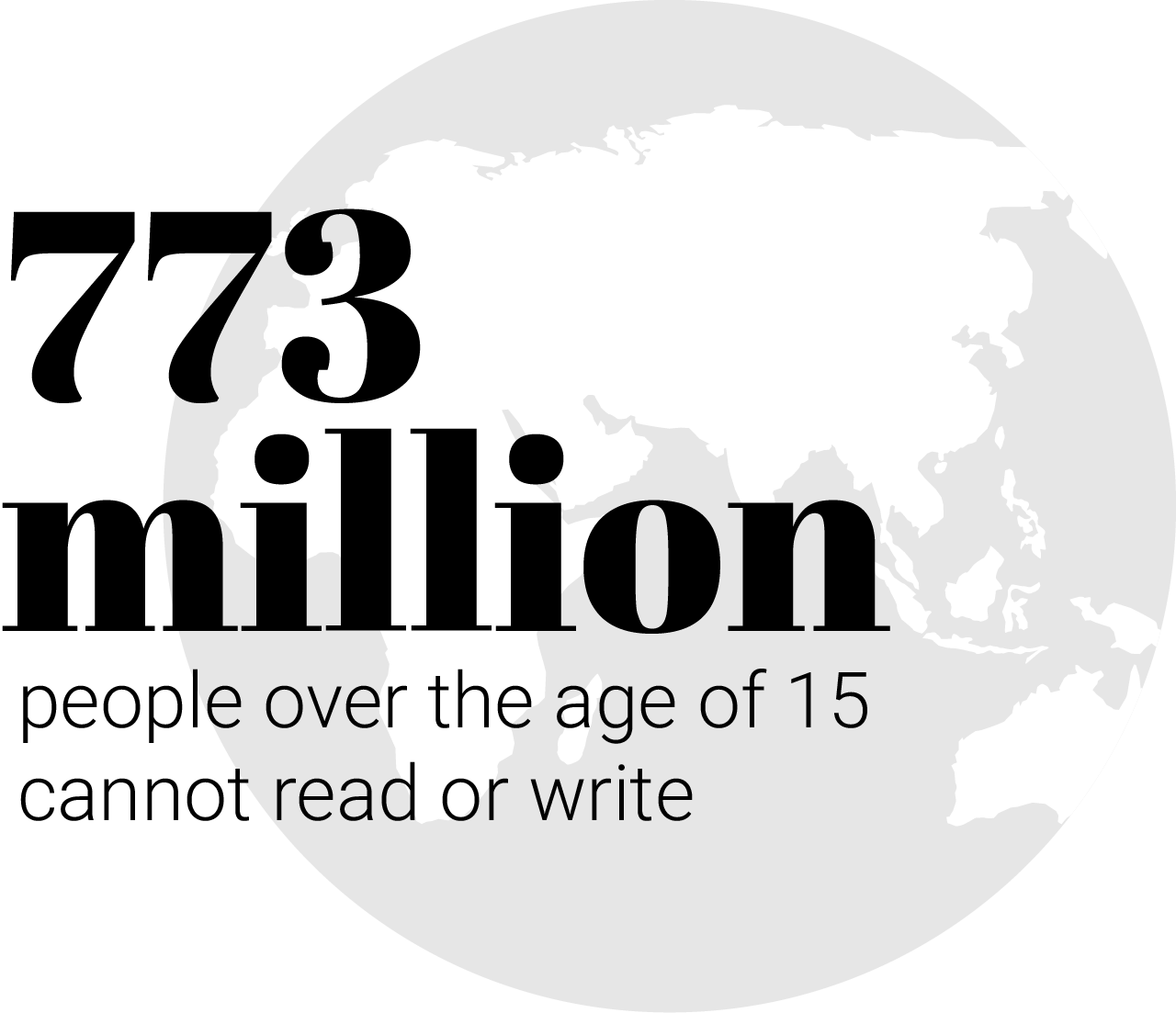
- “Globally, at least 773 million youth and adults still cannot read and write, and 250 million children are failing to acquire basic literacy skills,” according to UNESCO. “This results in an exclusion of low-literate and low-skilled youth and adults from full participation in their communities and societies.”1
- “In developing countries, approximately one in every two adults can’t read or write, with the situation only worse in the rural areas, especially for women and minors,” according to the Borgen Project.2
- “Factors linked to poverty such as unemployment, illness and the illiteracy of parents, multiply the risk of non-schooling and the drop-out rate of a child by [the age of] 2,” according to Humanium, an international NGO for children’s rights.3
- “53 percent of children in low- and middle-income countries cannot read and understand a simple story by the end of primary school. In poor countries, the level is as high as 80 percent,” according to The World Bank.4
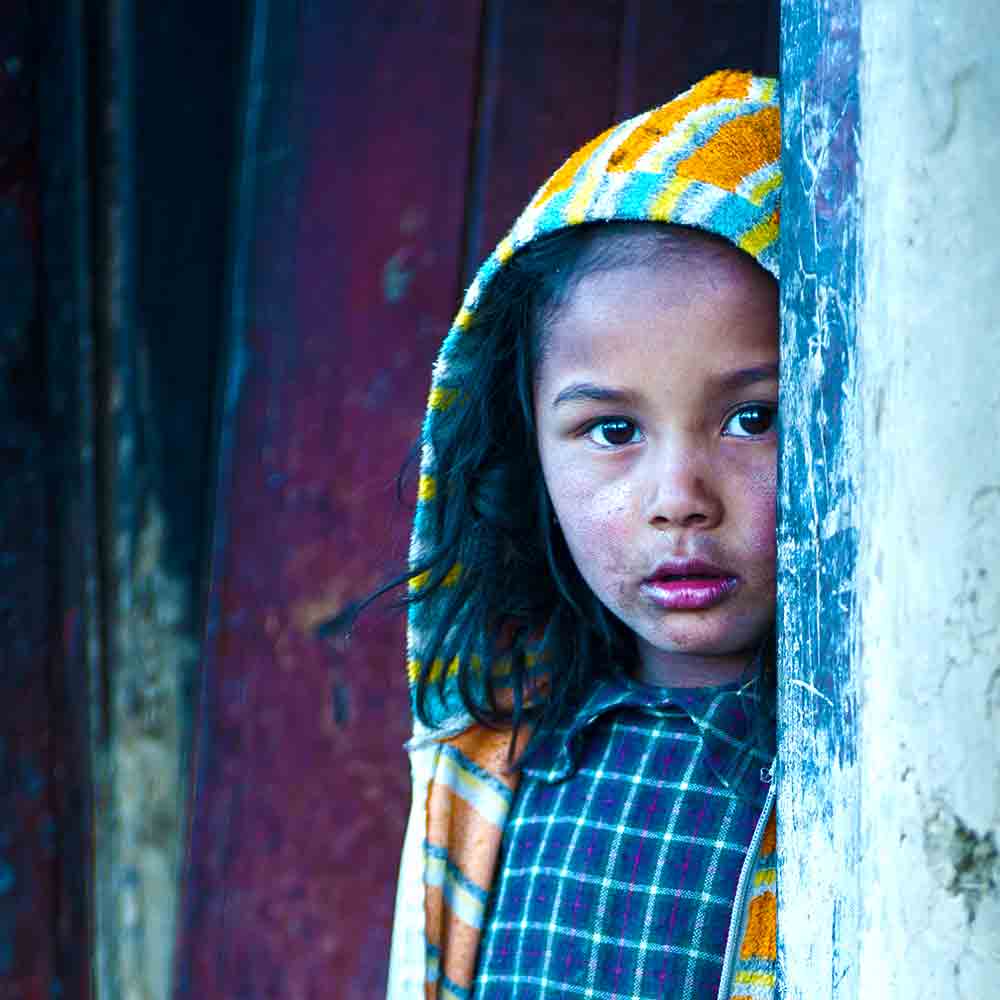
- “Children who don’t read by age 10—or at the latest, by the end of primary school—typically fail to master reading later in their schooling career,” according to The World Bank.5
- “Studies have shown the mother’s literacy level is closely related to child health and survival,” according to World Literacy Foundation.6 “If a child’s mother can read, they are 50 percent more likely to live past the age of five, and twice as likely to attend school,” according to Children International, a poverty-fighting charity.7
- People completely or functionally illiterate are more likely to have poor health, welfare dependency and experience gender inequality.8
Click here, to read more about this article.
Click here, to read more blogs in Gospel for Asia.Org


Comments
Post a Comment