Child Exploitation
Child exploitation is defined as the act of “using a minor child for profit, labor, sexual gratification, or some other personal or financial advantage,” says Legal Dictionary. “Child exploitation often results in cruel or harmful treatment of the child, as the activities he or she may be forced to take part in can cause emotional, physical, and social problems.”1
Such exploitation includes child pornography, prostitution, cheap labor and other areas where large profits can be made by using children. Exploitation may occur by strangers, peers, parents, employers or trusted adults.
What is child exploitation?
There are many forms of this type of child abuse. Some of them are:
– Nearly 1 in 10 children worldwide are involved in child labor, and many of them have been trafficked.2 Migrants and refugees who are moving around are highly susceptible to trafficking. Other families, often in dire circumstances, are promised that their children will be given food, education and job skills. Instead, these children work and sleep in deplorable conditions, labor long hours and often get very little food. Education and any semblance of freedom are unheard of.
Domestic Servitude
– Many girls are sent to live in other households to do domestic work. The parents are often promised that their daughters will receive food, lodging and education in exchange for their labor. The girls may serve as nannies or in other positions, but many times they are not allowed to leave the employer’s home. Often, these girls are shipped from another country, leaving their homes and everything that’s familiar behind
Child Marriage
– When a child is forced to marry without their consent, this can be a form of exploitation. In 2018, a UNICEF report estimated there were 650 million child brides worldwide, and that statistic includes girls under age 18 who were already married and adult women who married in childhood.3 Often, child brides are raped and abused, and they frequently give birth in their early teenage years.
– This encompasses many forms of sexual abuse. Many times, the child is given things such as “gifts, drugs, money, status and affection in exchange for performing sexual activities,” says the National Society for the Prevention of Cruelty to Children.4 These children are often moved from place to place, sometimes even country to country.
Child Soldiers
– Children as young as 8-years-old sometimes serve as soldiers in armed conflicts. Whether they fight on the front lines, perform suicide missions or act as spies or messengers, they are exploited into serving.
“Today’s slaves are trapped in fishing fleets and sweatshops, in mines and brothels, and in the fields and plantations of countries across the world. It can be called human trafficking, forced labor, slavery, or it can refer to the slavery-like practices that include debt bondage, forced or servile marriage, and the sale or exploitation of children.”5
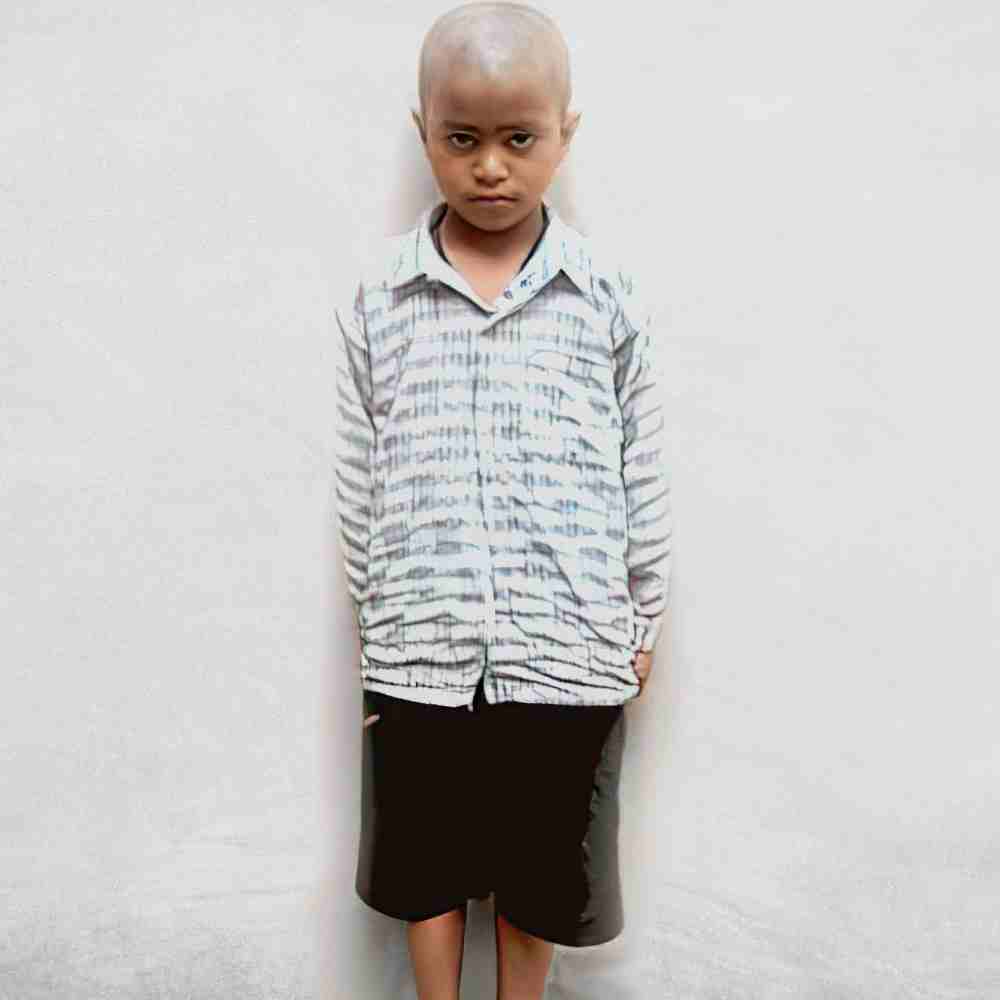
This continued for over two years. Nadish’s mother grieved for her son, but she had no resources to look for him.
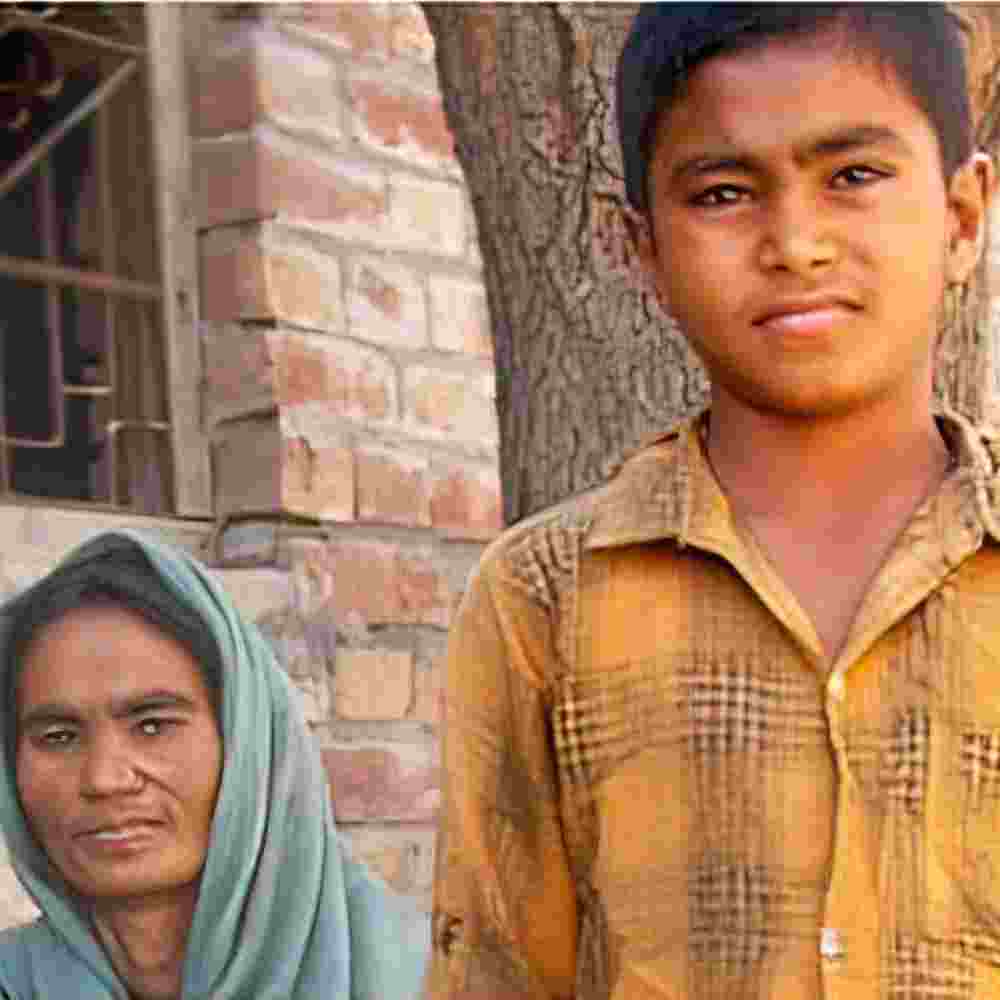
During Nadish’s captivity, his mother and the GFA missionaries in his community prayed for him. Once he escaped and was reuinited with them, they were there to help him heal and recover from the trauma. Nadish had suffered emotionally and mentally as a result of his captivity and poor treatment. He also missed a lot of school during that time, so the GFA workers helped him catch up in his studies.
Click here, to read more about this article.
Click here, to read more blogs in Gospel for Asia.Com


Comments
Post a Comment