Unraveling the Causes of Child Labor
No parent dreams of their children growing up on a sugar plantation or spinning yards and yards of thread or wielding a machete to harvest cocoa. Yet 218 million children worldwide as young as 5 years old are in some sort of child labor situation.1 The International Labour Organization has defined child labor as “work that deprives children of their childhood, their potential and their dignity, and that is harmful to physical and mental development.”2 So, if no parent intends for their child to be deprived or harmed in this way, how does this happen? Let’s unravel the complex causes of child labor.
The first thread to follow in the causes of child labor is poverty.
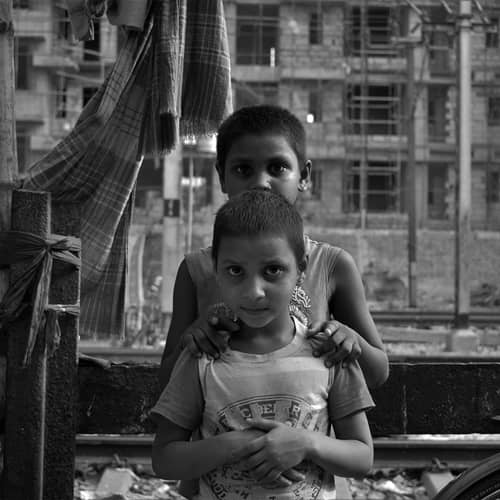
There is no easy path out of the poverty cycle when a family lives at this level of destitution. If a person has grown up at or below this level, they typically lack any means of advancement in skills and commonly have poor health due to malnutrition. Survival is the only thing they can focus on. The options before them are few. If you go long enough without food or water or warmth, you will likely make decisions you once thought impossible, such as sending your child to work in hazardous conditions.
Child labor in relation to poverty cannot be ignored. This is the place of vulnerability that many impoverished parents face. They may be working all day, every day as hard as they can and still not be able to provide for even their families’ most basic needs. If an unscrupulous plantation owner or other employer sees this situation, that employer might encourage them to have their children also work. These children are also vulnerable to traffickers, who offer false promises of a better life.
The second thread to follow in the causes of child labor is consumer demand.
Certain industries employ more child labor than others. How much child labor in the world continues can be partially linked to the market demand for items from such industries. For instance, fashion, chocolate and cobalt are three areas where market demand has contributed to the inclusion of children in production.4 5 6
Knowing this information, consumers can commit to being more aware of where their products come from and hold companies accountable for their business practices through advocacy and where they choose to spend their money. As Francis Bacon famously said, “Knowledge is power.”7 That includes the power of choosing where your dollars go as it relates to how many people are in child labor in the world.
The third thread to follow in the cause of child labor is sex trafficking.
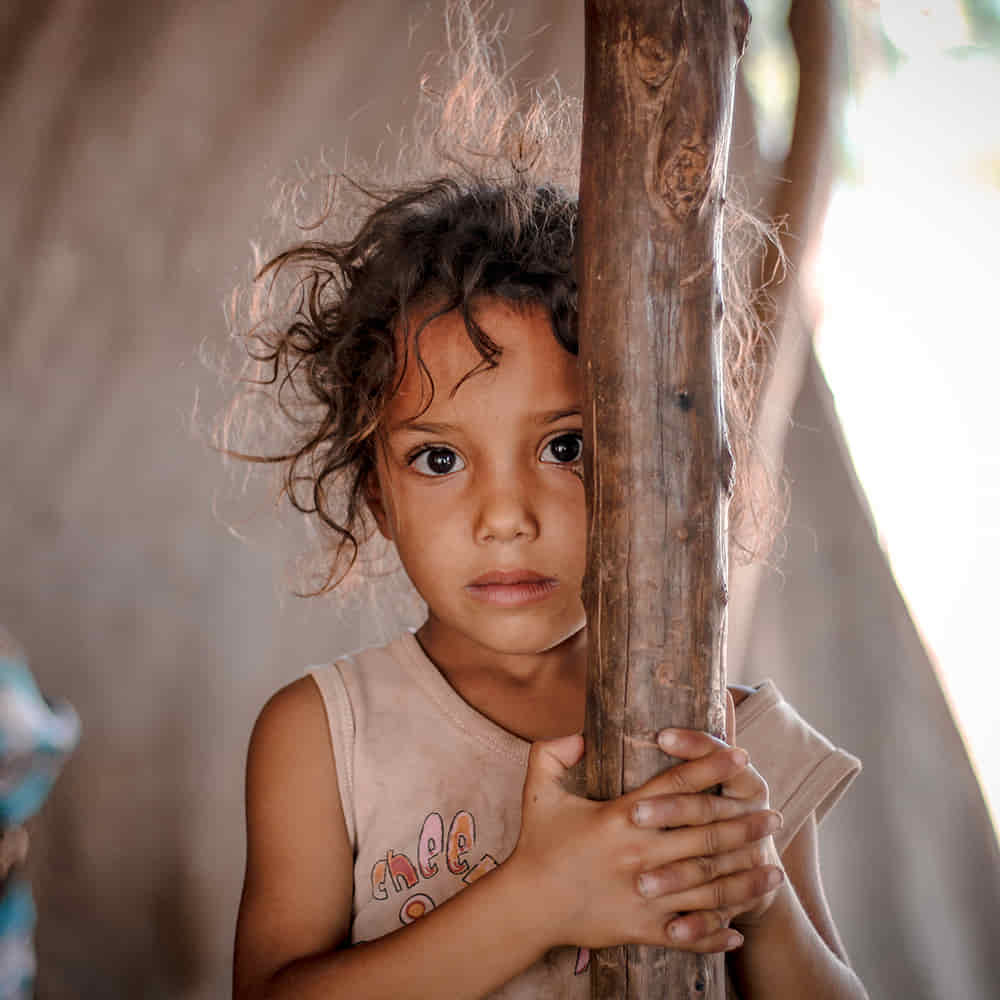
This demand has created one of the most heinous forms of child slavery and labor, which has far-reaching effects on the individuals who suffer at the hands of traffickers.
Click here, to read more about this article.
Click here, to read more blogs in Gospel for Asia.Org


Comments
Post a Comment