The Effects of Poverty on Child Development
Understanding the effects of poverty on child development is the beginning of compassion and activism for those removed from the daily struggle millions face. The effects of poverty on children are many and varied. There are obvious physical effects, like malnutrition, but the ways a child will struggle because of poverty can last a lifetime.
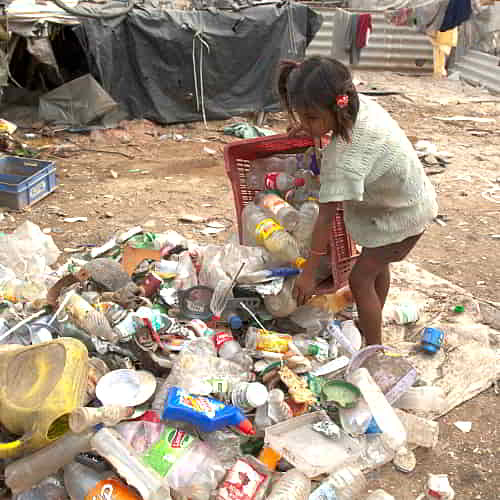
Child development, like all health sciences, continues to grow in fullness of understanding. The ways that a child’s health is affected by their environment can be surprising. The child may not even realize they are being affected until much later in life.
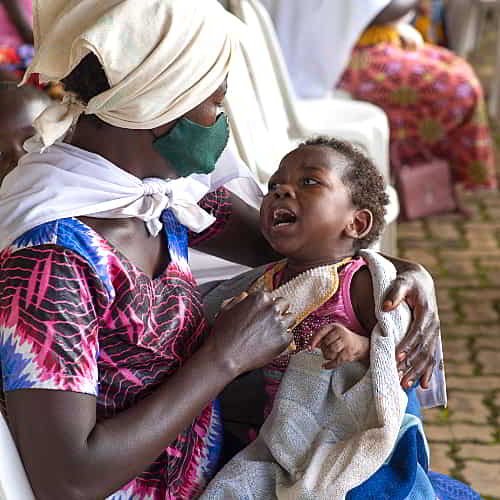
Sadly, poverty’s effects don’t just start at birth. “Many of the problems children born into poverty face begin before they are even born. Poor prenatal care is positively associated with poverty. Women living in poverty are less likely to have been vaccinated for infectious diseases that can be passed on to the fetus,” according to a review in the Journal of Mental Health and Social Behavior.[3]
Click here, to read more about this article.
Click here, to read more blogs in Gospel for Asia.Org


Comments
Post a Comment