Non-Governmental Organizations (NGOs) in South Asia: Leading Change in Water Crisis Solutions
Amidst the complex challenges posed by South Asia’s water crisis, a ray of hope emerges in the form of non-governmental organizations (NGOs) in South Asia. These dedicated entities are at the forefront of providing innovative solutions and catalyzing positive change to combat water scarcity, ensure access to clean water, and transform lives across the region.
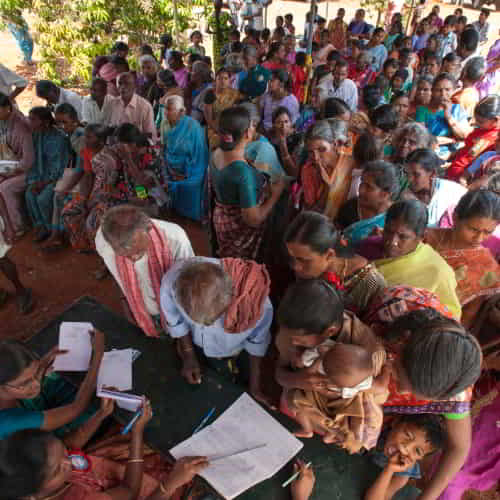
At the heart of NGOs’ efforts lies community empowerment and education. Recognizing that change begins at the grassroots level, these organizations engage with local residents to raise awareness about waterborne diseases, proper hygiene practices, and efficient water management. Through workshops, seminars, and interactive sessions, communities are equipped with the knowledge and tools to safeguard their health and well-being.
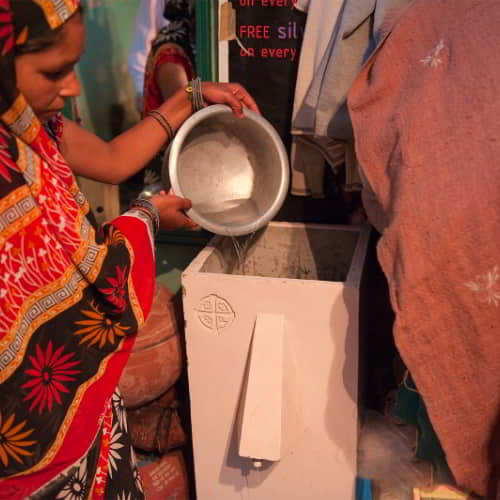
NGOs in South Asia like GFA World are pioneers in introducing innovative solutions to alleviate water scarcity. Implementing technologies like BioSand water filters, GFA provides households with the means to purify water at the point of use, reducing the risk of waterborne diseases.[2] Additionally, these organizations like GFA champion the construction of sanitation facilities, transforming open defecation into safe sanitation practices.
Access to Clean Water: A Human Right
The core mission of NGOs is to ensure that access to clean water becomes a reality for every individual in South Asia. GFA World, by drilling deep wells, rehabilitating old ones, and setting up water purification systems, they help expand the reach of clean water sources. Their unwavering dedication not only saves lives but also uplifts communities from the cycle of illness and poverty.[3]
Click here, to read more about this article.
Click here, to read more blogs in Gospel for Asia.Net


Comments
Post a Comment