Combatting the Water Crisis in South Asia: From Scarcity to Solutions
As the global population continues to surge, the strain on water resources becomes increasingly evident, manifesting a water crisis in South Asia and other regions worldwide. The interplay between water stress and health creates a complex web of challenges that demand urgent attention and comprehensive solutions.
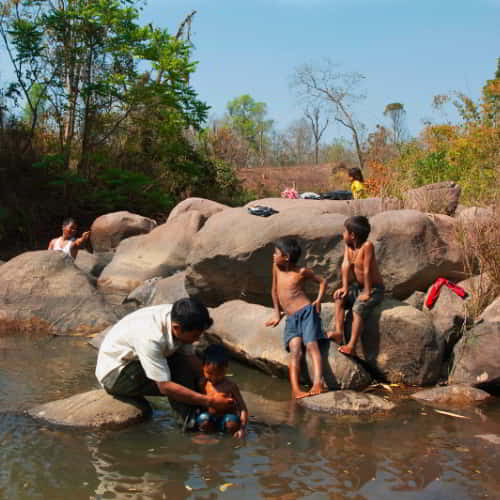
In the sprawling landscapes of South Asia, water stress—where demand exceeds supply—creates a precarious situation for both communities and their health. The implications of water stress extend far beyond parched fields; they seep into homes, schools, and hospitals, affecting every aspect of life. Water scarcity often leads to reliance on unsafe or contaminated sources, exposing individuals to a barrage of waterborne diseases.[1]
Inadequate access to clean water and proper sanitation is a breeding ground for waterborne diseases that claim lives and devastate communities. Diarrhea, cholera, and typhoid fever thrive in conditions where clean water is scarce. It is a grim reality that nearly 300,000 children under the age of 5 lose their lives to diarrhea each year in South Asia due to the lack of clean water. These diseases not only cause suffering but also impede socio-economic progress, trapping families in a cycle of poverty.[2]
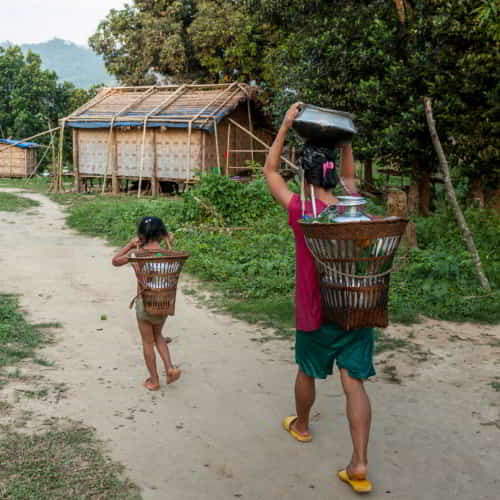
The burden of water scarcity disproportionately falls on the shoulders of women and children in South Asia. The hours spent collecting water from distant and contaminated sources prevent women from pursuing education, income-generating activities, and personal development. The cycle perpetuates as girls, in particular, are denied opportunities for growth, reinforcing existing gender inequalities. Children, often tasked with water collection, miss out on schooling, hindering their future prospects.[3]

Agriculture forms the backbone of many South Asian economies. However, water scarcity undermines crop yields, livestock health, and food security. Subsistence farmers, who rely on predictable rainfall patterns, face increased uncertainty as droughts become more frequent and severe. In regions where agriculture supports livelihoods, water stress disrupts income and exacerbates poverty.[4]
Climate Change Aggravates the Crisis
The effects of climate change exacerbate the water crisis in South Asia. Erratic monsoon patterns disrupt agricultural cycles, contributing to food insecurity and amplifying the challenges faced by vulnerable communities. Rising temperatures intensify evaporation rates, depleting surface water sources and worsening water scarcity. The resulting stress cascades through health, food production, and economic stability.[5]
Click here, to read more about this article.
Click here, to read more blogs in Gospel for Asia.Net


Comments
Post a Comment