Battling Waterborne Diseases in South Asia: A Fight for Survival
In the vast expanse of South Asia, the looming water crisis is intricately linked to the alarming prevalence of waterborne diseases. As communities grapple with limited access to clean water and proper sanitation, the battle against waterborne diseases in South Asia becomes a fight for survival. Understanding the dire consequences of these diseases is essential to developing effective strategies for prevention and intervention.
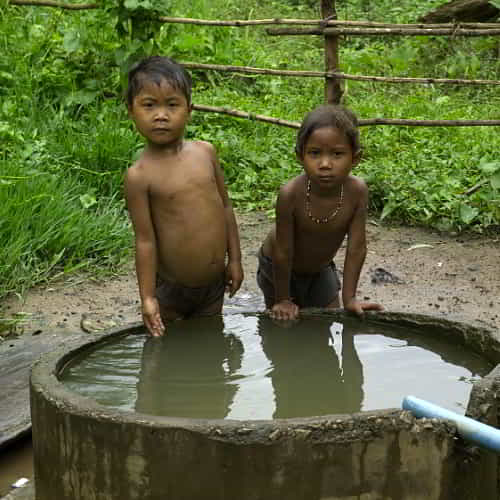
In the labyrinthine alleys and remote villages of South Asia, waterborne diseases lurk, posing an invisible yet potent threat to public health.[1] Contaminated water sources, often used for drinking, cooking, and bathing, carry disease-causing pathogens that infiltrate human bodies. Diseases like diarrhea, cholera, typhoid, and hepatitis A spread through these tainted water sources, disproportionately affecting vulnerable populations.[2]
The toll of waterborne diseases on South Asia is staggering. Each year, nearly 300,000 children under the age of 5 die from diarrhea alone due to the absence of clean water.[3] The suffering doesn’t stop there—waterborne illnesses burden healthcare systems, drain household resources, and hinder economic development. The cycle of illness and poverty tightens its grip, trapping families in a downward spiral.
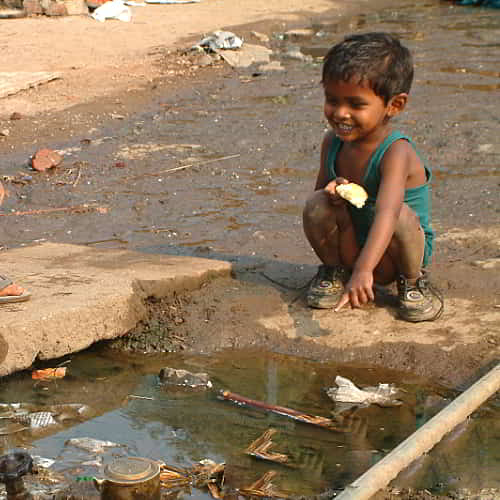
South Asia’s struggle with waterborne diseases is exacerbated by inadequate sanitation practices.[4] Open defecation, lack of proper toilet facilities, and poor waste disposal contaminate water sources, perpetuating disease transmission. The interconnectedness of clean water and sanitation becomes evident as communities grapple with the consequences of unhygienic conditions.[5]
The burden of waterborne diseases often falls heaviest on women and children. Women, as caregivers and water collectors, are exposed to contaminated sources while caring for their families. Children, with weaker immune systems, are especially vulnerable to the ravages of waterborne illnesses. School absenteeism due to illness further hampers education and future opportunities.[6]
Healthcare systems in South Asia strain under the weight of waterborne diseases. Overwhelmed clinics and hospitals struggle to provide care for the sick.[7] Productivity suffers as individuals fall ill and miss work or school. The vicious cycle of illness, absenteeism, and reduced productivity perpetuates poverty, hindering the region’s progress.[8]
Click here, to read more about this article.
Click here, to read more blogs in Gospel for Asia.Net


Comments
Post a Comment