How Do We Know International Medical Missions Are Effective?
International medical missions have existed since at least the 1800s, but the need and those willing to serve increases daily. Whether or not they are effective comes down to several factors.
According to an article in Globalization and Health,[1] there are nine best practices for medical missions:
- Assessment of the area to be served
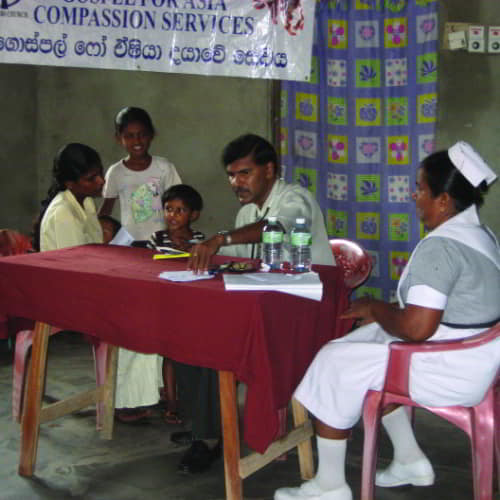
- Partnership and Alliance with those already in the area
- Governance of the trips being sent
- Code of Conduct set up for all working
- Preparation for the conditions and culture
- Implementation of best practices
- Training and Capacity Building of the missions teams
- Sustainability of future missions
- Monitoring and Evaluation of every team sent
“It is recommended that managers of STMM teams work in conjunction with managers with the host partners to complete a needs assessment before arriving. This practice, as well as working alongside local healthcare staff, will promote collaboration throughout the entire mission and ensure improved quality of care for patients including care that is integrated into long-term systems which can support patient needs when a STMM is gone,” the study advised.[2]
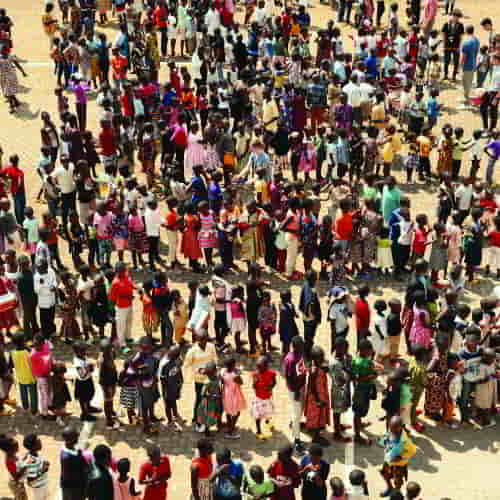
You can be sure of the effectiveness of the thousands being served yearly. In 2019, nearly 1,300 medical camps were put on by GFA World. Each camp serves between 200 and 1,000 people. These people often line up and wait for hours to receive the free medical care, advice and medicine they need. Those served by GFA are often living at or below the international poverty line of $2.15 per day.
Click here, to read more about this article.
Click here, to read more blogs in Gospel for Asia.Net


Comments
Post a Comment