Child sponsorship has been a transformative tool in the fight against poverty for many years. Adapted by Christian ministries and NGOs alike, it provides education, sustenance, and other benefits that impoverished children might otherwise never have. A key question that arises is: how does child sponsorship programs end poverty? The answer, as we will explore in this article, is a resounding yes.
Sponsorship: Meeting Basic Needs and Beyond
Sponsorship is more than just financial support. It is a comprehensive approach that meets basic needs, provides education and skills, raises self-esteem and aspirations, and disrupts cycles of hardship.
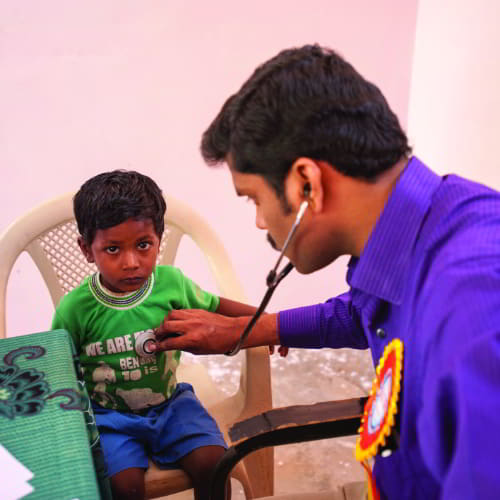
[1] Sponsors help provide children with opportunities such as education, medical care, protection against malnutrition, and clean water.
According to the World Bank, 53 percent of children living in low- and middle-income nations are classified as “in-school non-learners,” meaning they are enrolled in school but do not retain the things they learn. In poorer countries, this number can range as high as 80 percent. Those who fail to finish school can easily join the ranks of the world’s 160 million child laborers.
[2]
GFA World’s Impact: Stories of Transformation
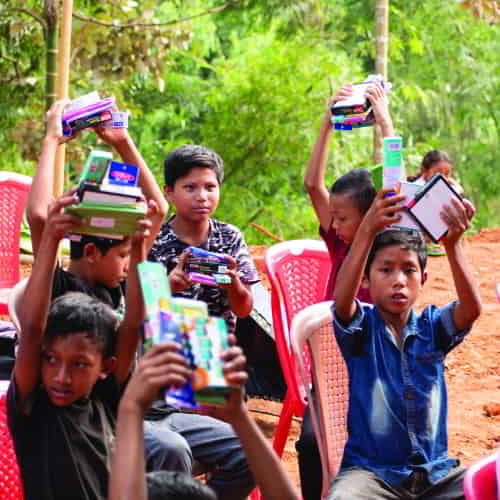
In the remote villages of South Asia, children, often as young as eight, confront the harsh realities of life. Their parents, working in the region’s tea gardens, earn wages that barely cover basic needs, let alone the bus fare for their children’s education. This leads to inconsistent school attendance and falling grades, jeopardizing their dreams of securing a good job and supporting their families. However, their lives take a positive turn when they are introduced to GFA World’s child sponsorship program. This program provides them with the necessary attention and resources to excel in their studies. The staff assists them with their schoolwork and provides them with nutritious meals, healthcare assistance, and school supplies, easing the financial burden on their families. As their academic performance improves, so does their hope for a brighter future.
[3]
Click
here, to read more about this article.
Click
here, to read more blogs in Gospel for Asia.Net


Comments
Post a Comment