Understanding the Causes of Poverty
The causes of poverty must be understood from every circumstance surrounding those most afflicted. Not one factor or deficiency can be wholly blamed for those living in the most desperate situations.
If we are to solve the worldwide issue of poverty, every area of life that affects poverty needs attention.

One of the number one ways to end poverty is to provide education and opportunities for skill-building. The Borgen Project reported in 2019 that 161 million children were not attending primary school.1 Without the basic skills of reading, writing and math typically gained in school, a person faces insurmountable odds to better their lives through skilled work that can sufficiently support a family.
Without access to education, the cycle of poverty often becomes self-perpetuating. If a parent is illiterate and no schooling is available to the children, there is nearly no chance of that child growing up to get a better-paying job, which could provide the resources necessary for their children to attend school. One generation of a family without basic education gives birth to the next generation without education.

Just like the cycle of education, disease and lack of health care can keep families from experiencing a better life. Chronic illness and disease still plague large parts of the world. Waterborne illnesses such as typhoid can devastate entire villages. If a father is chronically ill and cannot go to work, the family will slip further and further into poverty. Children are often unable to attend school (if available) when they are constantly sick.
Helping people understand basic health needs and providing medical attention can be bridges out of poverty for many. Water, sanitation and health care all play a part in this continuing chain of poverty.
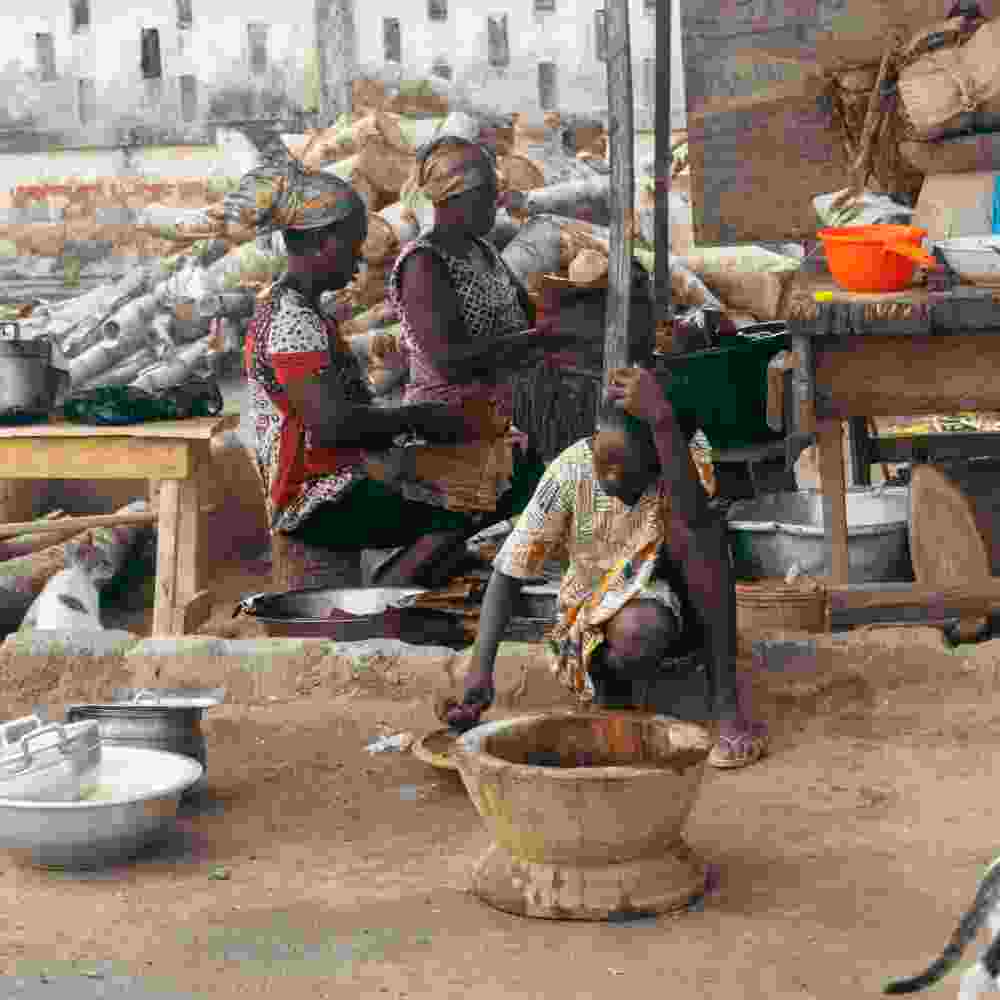
Two areas to consider in understanding what causes poverty are natural disasters and the effects of war. Areas that are already vulnerable in water supply, sanitation and other infrastructures are at high risk for the poverty-inducing effects of natural disasters and war. For example, a country that experiences massive flooding without the resources to address the fallout will find its people with more issues than before the flood. If a country sustains ongoing war and political tension, it cannot supply basic needs to those most susceptible to the long-term problems caused by such conflict.
Regions with natural disasters and political upheaval are known as “fragile and conflict-affected countries” (FCS). These areas are some of the most difficult places to fight poverty. In the global effort to lift people out of impoverishment, FCS regions will often maintain the highest rates of poverty even if other countries attempt to reduce it.3 Examples of FCS regions include South Asia and sub-Saharan Africa, chronically poor areas.
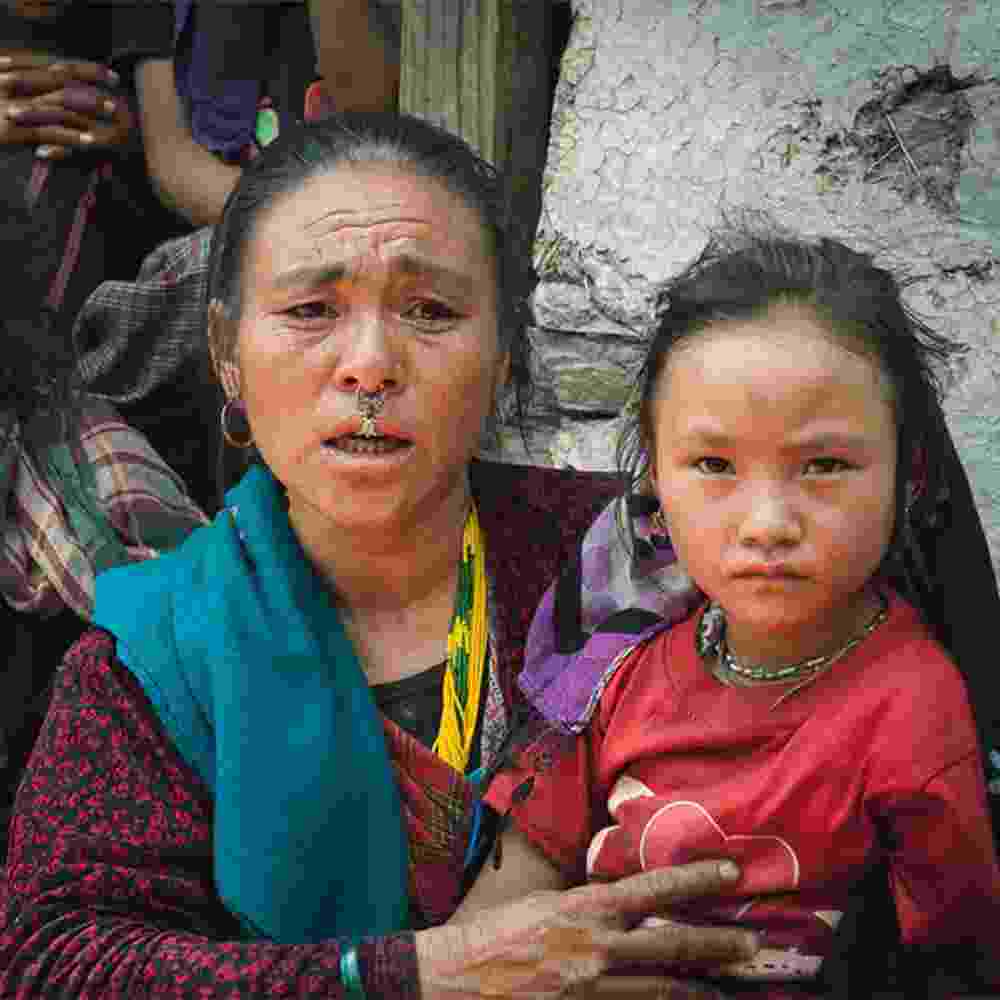
Even if factors like disease and education are solved, there still remains the issue of opportunity. A poor widow in Asia may learn to read and write and be basically healthy, but she will often still find income earning opportunities to be scarce. She is ready and willing to work yet lacks the opportunity to generate income.
Click here, to read more about this article.
Click here, to read more blogs in Gospel for Asia.Com


Comments
Post a Comment