Global Water Crisis
There’s nothing like a cold drink of water on a hot day. Unfortunately, due to the global water crisis, the refreshment of clean water isn’t available for many people around the world. Many communities are lacking this essential part of life. The crisis occurs when there is a lack of sufficient clean water for the population.
The World Health Organization (WHO) and United Nations International Children’s Fund (UNICEF) say that 785 million people lack a basic drinking-water service.1
How does this global water crisis impact families in these communities, and how can we stop the water crisis?
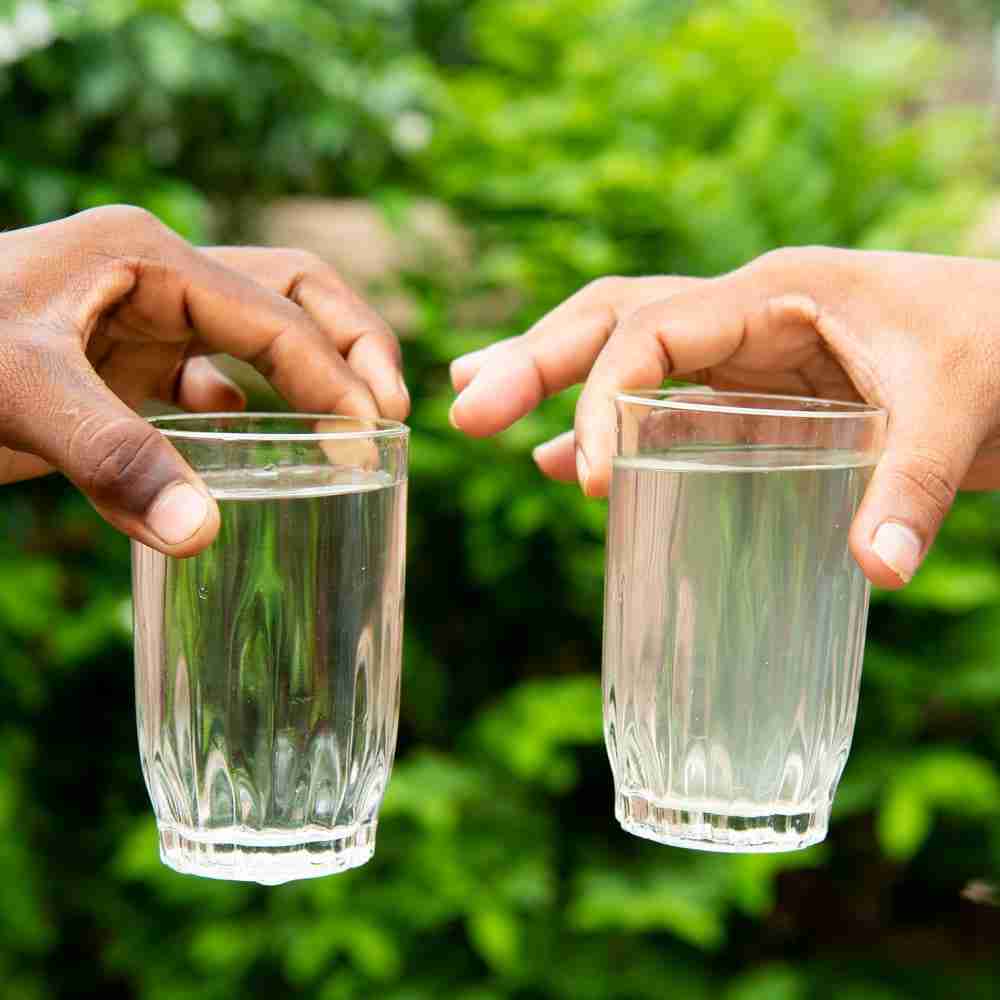
When clean water isn’t readily available, people resort to the water that is available. Oftentimes, that water is contaminated with feces. Serious diseases can result, including dysentery, typhoid, polio, and cholera. Every year, people die from these diseases because they drink contaminated water. Many of these deaths are easily prevented through education and providing access to clean water.
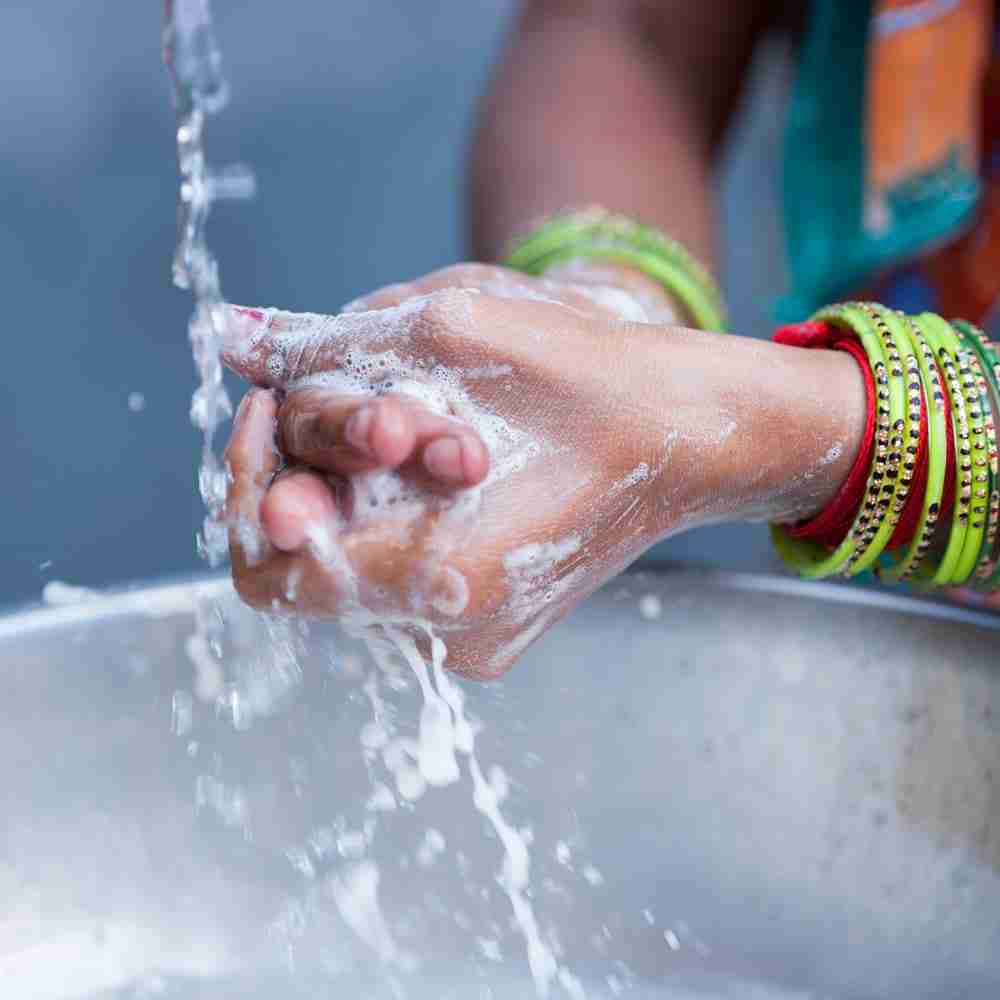
Another aspect of the water crisis is the lack of toilets and hygiene training. In many cultures, learning hygiene begins at a very young age and is taught consistently as a child ages. However, in the poorest areas of the world, children haven’t been trained in proper hygiene skills. When a child doesn’t have access to toilets and sanitation facilities, they are more likely to get sick and then miss school.
When a community has toilets as well as a clean location to wash hands, it brings dignity. In many areas, families use bushes, rice paddy fields, or the roadside to relieve themselves. It’s difficult for children and the elderly to walk to these areas. Diseases spread and the water supply they do have is then contaminated. Community or family toilets provide dignity and safety.
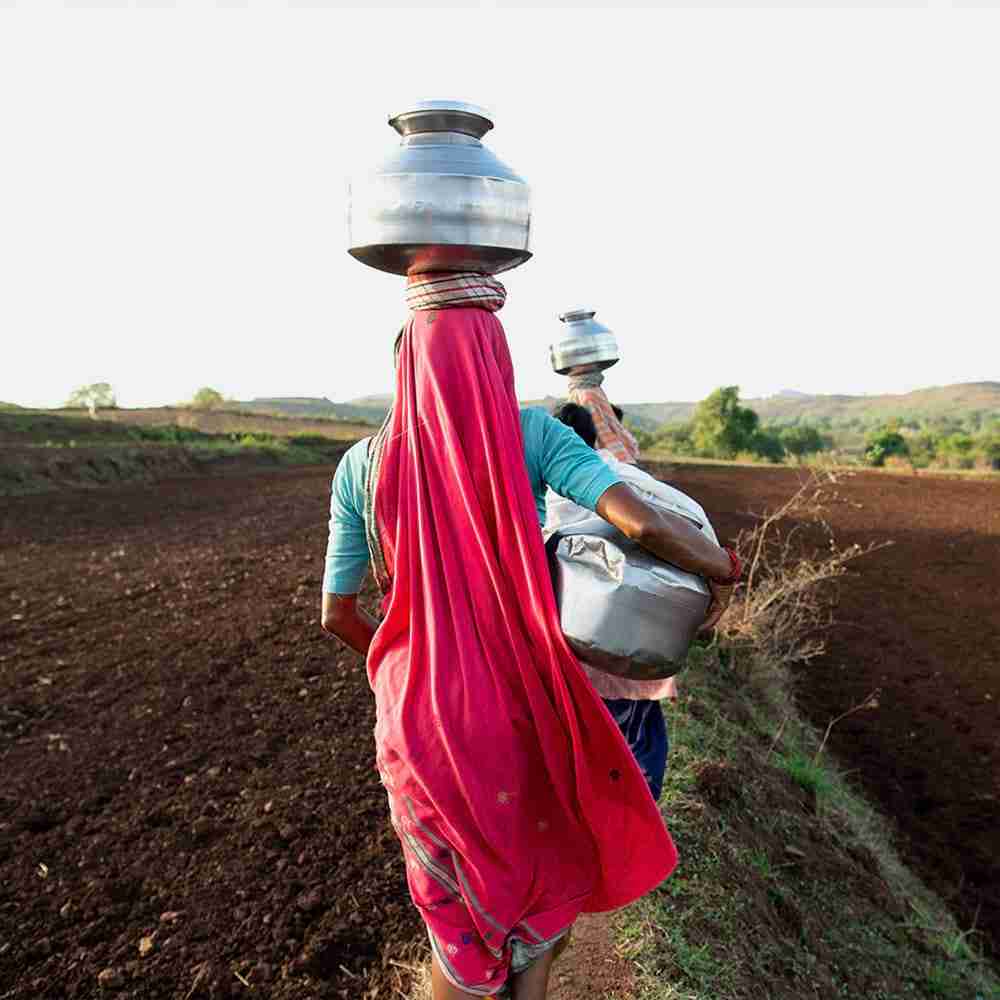
In many areas, girls and women are in charge of gathering water. This task may seem easy to us, but in some areas, these women and girls must walk miles to find water. This takes hours and is often the time girls should be in school. For women, this task demands a lot of time that could be used at her job. When families have a clean water well near their homes, it means the girls can go to school and women can bring in income to help support their families. Here’s more global water crisis facts to consider.
Click here, to read more about this article.
Click here, to read more blogs in Gospel for Asia.Org


Comments
Post a Comment